 (0 users)


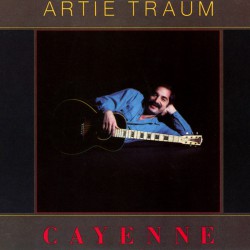
Cover NOT yet available in

Join up for 4K upload/download access
Your Rating (Click a star below)

Track List
01) Cayenne
02) The Nod
03) Snippy Man
04) Shambhala
05) Catskill Thunder
06) Morning Flight
07) Blue Jay Boogie
08) Robbie's Mirage
09) Foolin' Around
10) Overseas
11) Late Night
12) Monhegan Dream
01) Cayenne
02) The Nod
03) Snippy Man
04) Shambhala
05) Catskill Thunder
06) Morning Flight
07) Blue Jay Boogie
08) Robbie's Mirage
09) Foolin' Around
10) Overseas
11) Late Night
12) Monhegan Dream

3:44
2:14
2:54
2:30
2:55
3:31
3:22
3:57
2:45
2:31
3:14
1:35
Data Complete 90%
Total Rating
Total Rating
 (1 users)
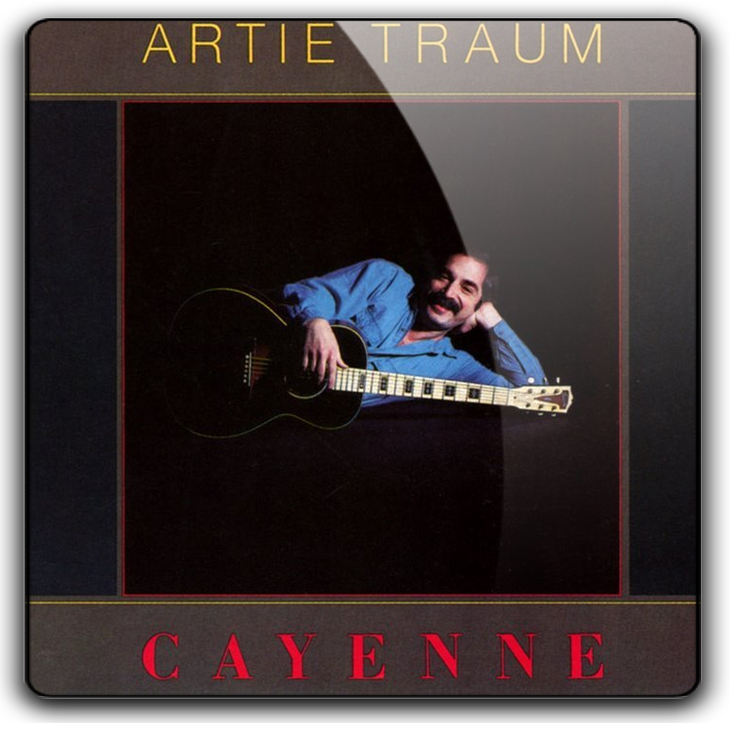
Back Cover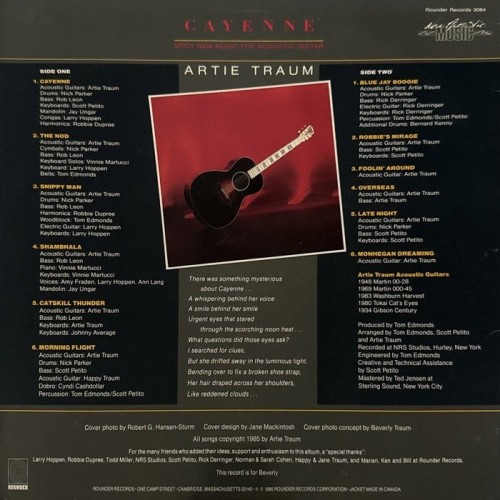
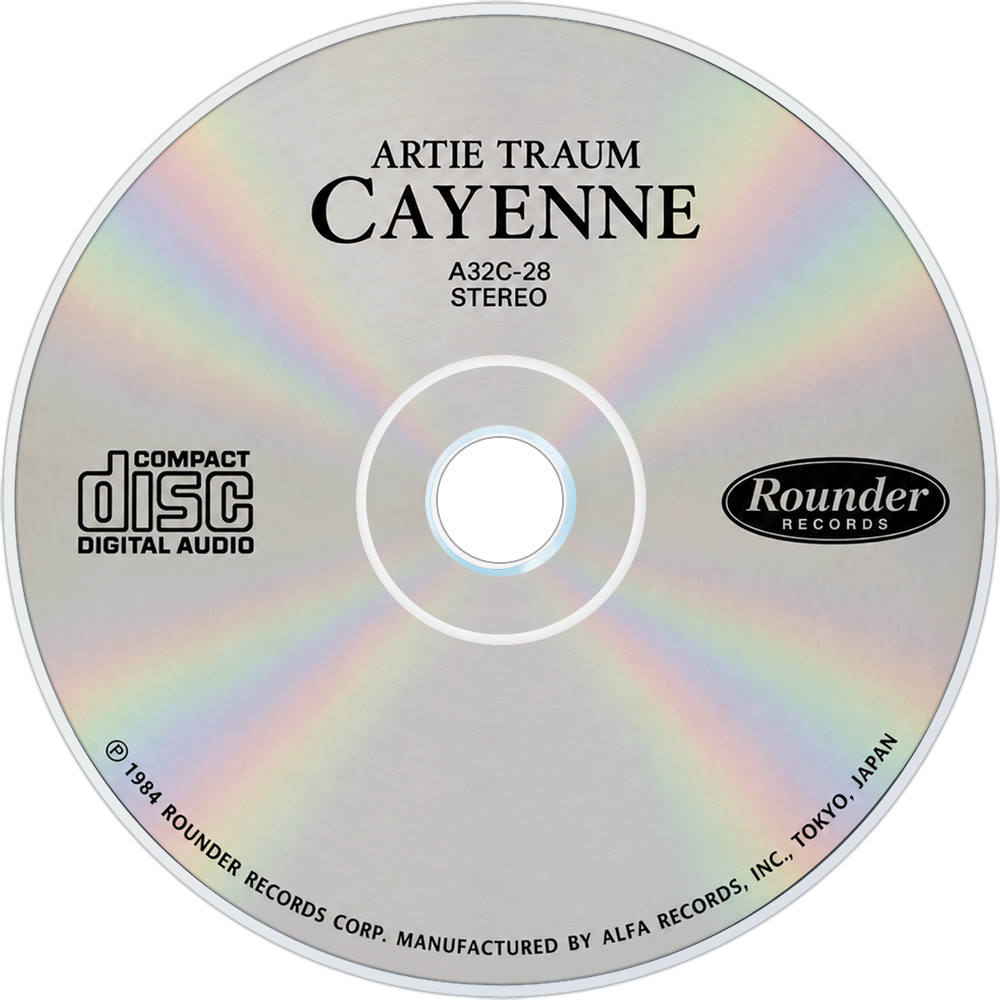
CD Art
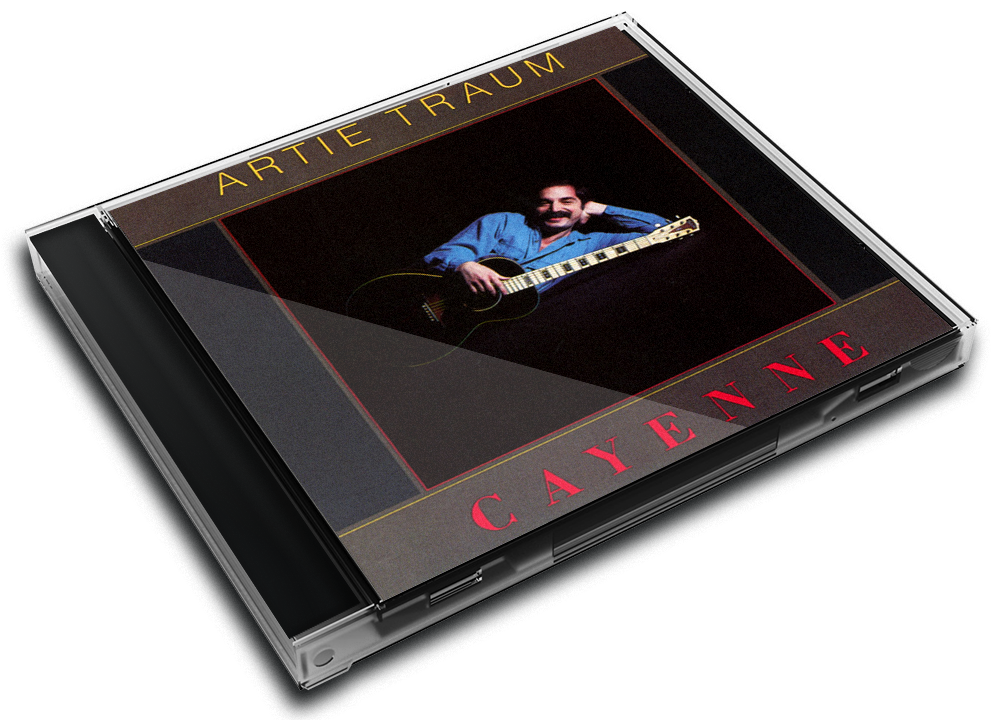
3D Case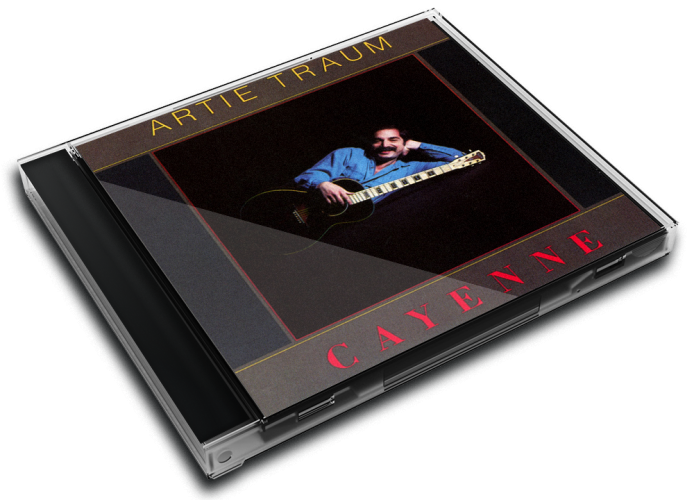
3D Thumb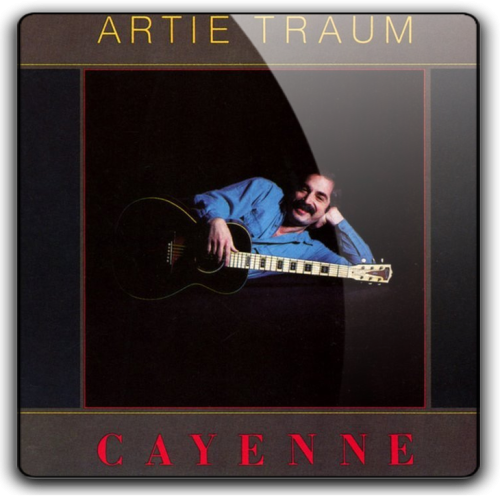
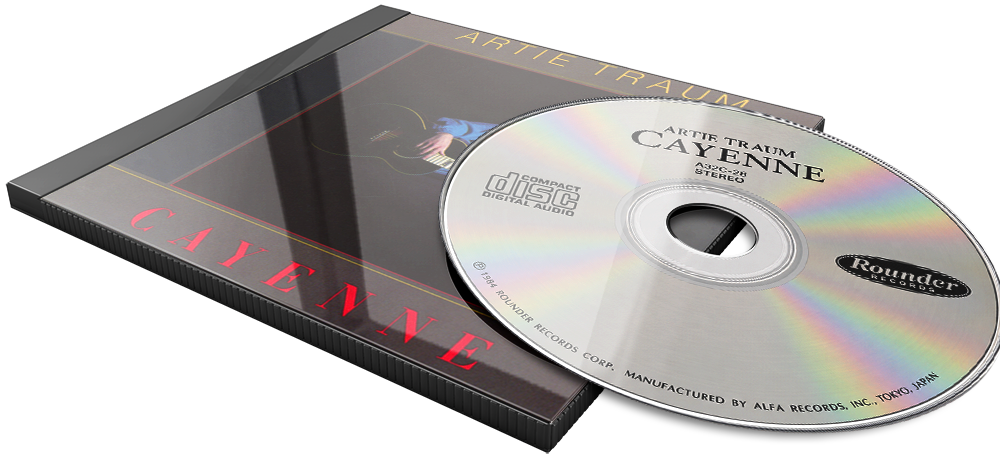
3D Flat
3D Face
3D Spine
First Released

 1987
 Folk
 Reflective
 ---
---
 Medium
 Album
0/100
 00888072141667
 0 copies
Album Description
Available in:

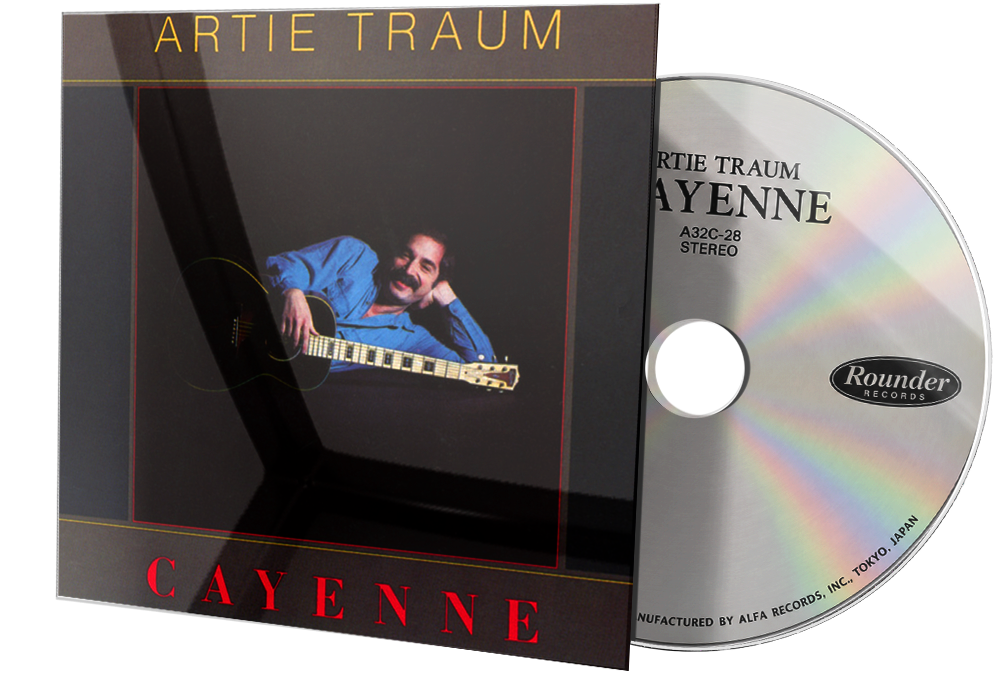
With Cayenne, American guitarist and composer Artie Traum released an instrumental album in 1986 that marked a decisive turning point in his musical career. Released on Rounder Records, the album is dated 1987 in some digital catalogs and features twelve compositions with a total playing time of approximately 35 minutes. Traum combines his roots in American folk and blues with influences from jazz, country, and melodically oriented acoustic instrumental music. At the center is his expressive guitar playing, complemented by a small accompanying ensemble. The result is a varied collection of short, atmospheric instrumental pieces that document both his technical confidence and his highly developed sense of melody and musical mood.
Artie Traum belonged to the generation of American musicians who helped shape the folk movement in Greenwich Village during the 1960s and later contributed to the vibrant music scene in Woodstock. Together with his brother Happy Traum, he released several albums combining traditional American music, blues, folk, and contemporary songwriting. He also worked as a guitarist, composer, producer, and session musician with numerous well-known artists. His musical development was characterized by a remarkable openness to different styles. Alongside American folk and blues traditions, he explored jazz harmony and the expressive possibilities of the acoustic guitar in considerable depth.
Cayenne holds particular significance within his discography because it marked Traum's transition from a predominantly vocal-oriented folk and singer-songwriter repertoire to instrumental guitar music. In a later interview, he described this release as an important first step toward his career as an instrumental artist. He increasingly recognized that the guitar could become his true musical voice. This decision would have a lasting influence on his subsequent artistic development and lay the foundation for later releases such as Letters from Joubée, The View from Here, and Meetings with Remarkable Friends.
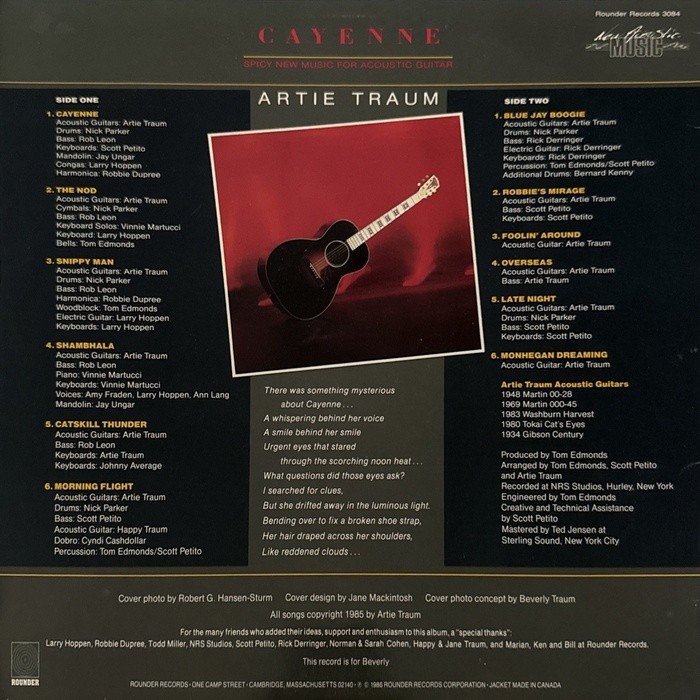
The recordings are not conceived exclusively as solo performances. Alongside Traum's acoustic guitar, additional instruments contribute further rhythmic and harmonic colors to the compositions. The participating musicians include Jay Ungar, Robbie Dupree, Rick Derringer, Rob Leon, and Nick Parker, among others. The small ensemble expands the musical expression without displacing the guitar from its central position. It is precisely the interaction between Traum's melodic guitar lines and the accompanying instruments that gives the album its warm, occasionally jazz-oriented character.
The album opens with the title track, Cayenne. The composition immediately introduces the combination of melodic guitar music and jazz-influenced ensemble playing that largely defines the album. Rhythmic flexibility and the interaction between the instruments give the piece a lively character. Throughout, Traum's guitar remains the melodic centerpiece. The title evokes associations of warmth and spice that suit the spirited nature of the composition. Cayenne opens the album with a mixture of musical lightness and instrumental precision.
The Nod follows as a considerably shorter composition, revealing the concise and focused structure of many pieces on this release. Traum avoids extended improvisations, concentrating instead on clearly defined musical ideas. This restriction to just a few minutes is one of the album's characteristic features. Melodic ideas are introduced, developed, and brought to a conclusion before they lose their impact. The result is a varied musical progression in which each piece establishes its own atmospheric character.
Snippy Man continues the album's jazz-oriented direction. The piece is among the compositions in which the interaction between the instruments has been particularly emphasized. Traum's guitar moves within a rhythmically lively framework that allows room for melodic variations and improvisational elements. Particularly noteworthy is the combination of technical fluency and a relaxed musical attitude. Rather than placing virtuosity demonstratively in the foreground, Traum integrates it into an ensemble concept focused on musical communication and tonal balance.
With Shambhala, the atmosphere changes. The composition is among the album's more dreamlike guitar pieces and reveals Traum's interest in quiet, almost meditative soundscapes. The title refers to the concept of a spiritual place associated with peace and inner harmony in Buddhist traditions. The musical approach can be understood as an expression of the reflective side that forms an important part of Traum's instrumental music. Here, the emphasis is less on rhythmic energy than on developing an atmospheric, melodically shaped sound world.
Catskill Thunder evokes the Catskill Mountains in New York State, a region closely associated with the Woodstock music scene and therefore with Traum's artistic biography. The composition has been particularly praised for its melodic qualities. Its title combines a familiar landscape with the powerful natural image of a thunderstorm. Within the album, the piece demonstrates how Traum can develop a distinctive musical atmosphere from comparatively simple melodic ideas. His connection to the American landscape and its cultural traditions provides an important background to his musical expression.
Morning Flight is among the compositions in which influences from country and relaxed rock become particularly apparent. The title suggests a morning departure and a light, forward-moving sense of motion. Musically, the piece belongs to an American tradition in which melodic guitar figures are combined with a steady, flowing rhythm. The combination of acoustic warmth and rhythmic ease makes Morning Flight one of the album's most accessible pieces.
With Blue Jay Boogie, the rhythmic side of American roots music moves more prominently into focus. The term boogie refers to a musical tradition closely connected to blues, jazz, and early rock ’n’ roll. Syncopated rhythms and a pronounced sense of movement are particularly characteristic. Traum draws on these elements and incorporates them into his melodically oriented guitar language. The composition provides an appealing contrast to the album's quieter pieces and emphasizes his stylistic versatility.
Robbie's Mirage is among the album's most atmospherically interesting recordings. The piece has been described as one of its dreamlike guitar compositions and allows room for a more impressionistic approach to sound. The title itself suggests a mirage, a fleeting image somewhere between reality and imagination. This association suits the restrained, atmospheric side of Traum's music. Rather than emphasizing powerful rhythmic development, the piece focuses on the effect of melodic lines and harmonic colors.
Foolin' Around subsequently introduces a playful element into the collection. The title suggests an informal musical attitude in which enjoyment of experimentation and spontaneous ideas play an important role. This lightness is one of the appealing characteristics of Traum's guitar playing. His musical ideas are effective not only because of their technical refinement but also because of their natural, unpretentious presentation. Within its short playing time, the piece adds another contrasting accent to the album.
With Overseas, the imaginative perspective extends beyond the American landscape. The title evokes ideas of travel, distance, and unfamiliar places. Such associations beyond the music itself are particularly interesting in instrumental compositions because they allow listeners to develop their own images and emotions. The piece fits into the album's predominantly melodic approach and demonstrates Traum's ability to create a distinctive atmosphere even within concise musical forms.
Late Night turns its attention to a quieter time of day, opening up another atmospheric perspective. The title suggests nighttime stillness, reflection, and relaxed musical intimacy. Within the album, the piece provides a fitting contrast to the livelier, rhythmically oriented compositions. The alternation between energetic and restrained musical moments is precisely what gives Cayenne its varied dramatic progression.
The album concludes with Monhegan Dream, the shortest piece in the collection at approximately a minute and a half. The title recalls Monhegan, an island off the coast of the American state of Maine, known for its landscape and artistic tradition. The combination of geographical imagery and a dreamlike atmosphere suits the poetic side of Traum's instrumental music. As a brief closing composition, the piece establishes a quiet, atmospheric final impression and brings the album to an end without any ostentatious display of virtuosity.
One of the particular strengths of Cayenne lies in its stylistic combination of American guitar traditions with jazz-oriented elements. Traum's musical background in folk, blues, and country remains clearly recognizable but is expanded through harmonic openness and collaboration with other instrumentalists. His guitar primarily fulfills a melodic and tonal role. Unlike technically spectacular solo fingerstyle recordings, the emphasis is not on performing as many musical voices simultaneously as possible, but on balanced interaction within concise instrumental arrangements.
The compact structure of the compositions is also remarkable. None of the twelve pieces reaches a playing time of four minutes. This brevity gives the release an immediate, accessible character, although it occasionally limits the possibilities for more extensive musical development. Some themes are introduced only briefly and receive little room for larger improvisational or dramatic passages. This is also one of the album's limitations: its atmospheric qualities are often more convincing than the compositional development of individual ideas. Nevertheless, the variety of melodies, rhythms, and tonal colors creates a coherent overall impression.
The production also contributes to the album's musical impact. The acoustic guitar remains the central instrument, while the accompanying musicians provide additional harmonic and rhythmic accents. The arrangements are predominantly transparent, allowing sufficient space for the individual instruments. The combination of acoustic warmth, restrained ensemble playing, and occasional jazz-influenced passages creates a relaxed, almost chamber-music atmosphere. As a result, Cayenne possesses a distinctive character that sets it apart from both traditional folk productions and more technically oriented guitar albums.
Cayenne is an important release in Artie Traum's discography and documents the beginning of his deliberate transition toward instrumental guitar music. The twelve compositions combine melodic accessibility with influences from folk, blues, country, and jazz. Particularly convincing are the natural interaction between the musicians, the warm acoustic tonal colors, and the varied atmospheric ideas. Although the short pieces do not always provide enough room for extensive musical development, the album succeeds through its understated musicality and stylistic coherence. Cayenne therefore represents an essential starting point for Traum's later instrumental works and offers an interesting document of his artistic reorientation during the 1980s.

User Album Review
None...
External Album Reviews
None...
User Comments

Available in:
With Cayenne, American guitarist and composer Artie Traum released an instrumental album in 1986 that marked a decisive turning point in his musical career. Released on Rounder Records, the album is dated 1987 in some digital catalogs and features twelve compositions with a total playing time of approximately 35 minutes. Traum combines his roots in American folk and blues with influences from jazz, country, and melodically oriented acoustic instrumental music. At the center is his expressive guitar playing, complemented by a small accompanying ensemble. The result is a varied collection of short, atmospheric instrumental pieces that document both his technical confidence and his highly developed sense of melody and musical mood.
Artie Traum belonged to the generation of American musicians who helped shape the folk movement in Greenwich Village during the 1960s and later contributed to the vibrant music scene in Woodstock. Together with his brother Happy Traum, he released several albums combining traditional American music, blues, folk, and contemporary songwriting. He also worked as a guitarist, composer, producer, and session musician with numerous well-known artists. His musical development was characterized by a remarkable openness to different styles. Alongside American folk and blues traditions, he explored jazz harmony and the expressive possibilities of the acoustic guitar in considerable depth.
Cayenne holds particular significance within his discography because it marked Traum's transition from a predominantly vocal-oriented folk and singer-songwriter repertoire to instrumental guitar music. In a later interview, he described this release as an important first step toward his career as an instrumental artist. He increasingly recognized that the guitar could become his true musical voice. This decision would have a lasting influence on his subsequent artistic development and lay the foundation for later releases such as Letters from Joubée, The View from Here, and Meetings with Remarkable Friends.
The recordings are not conceived exclusively as solo performances. Alongside Traum's acoustic guitar, additional instruments contribute further rhythmic and harmonic colors to the compositions. The participating musicians include Jay Ungar, Robbie Dupree, Rick Derringer, Rob Leon, and Nick Parker, among others. The small ensemble expands the musical expression without displacing the guitar from its central position. It is precisely the interaction between Traum's melodic guitar lines and the accompanying instruments that gives the album its warm, occasionally jazz-oriented character.
The album opens with the title track, Cayenne. The composition immediately introduces the combination of melodic guitar music and jazz-influenced ensemble playing that largely defines the album. Rhythmic flexibility and the interaction between the instruments give the piece a lively character. Throughout, Traum's guitar remains the melodic centerpiece. The title evokes associations of warmth and spice that suit the spirited nature of the composition. Cayenne opens the album with a mixture of musical lightness and instrumental precision.
The Nod follows as a considerably shorter composition, revealing the concise and focused structure of many pieces on this release. Traum avoids extended improvisations, concentrating instead on clearly defined musical ideas. This restriction to just a few minutes is one of the album's characteristic features. Melodic ideas are introduced, developed, and brought to a conclusion before they lose their impact. The result is a varied musical progression in which each piece establishes its own atmospheric character.
Snippy Man continues the album's jazz-oriented direction. The piece is among the compositions in which the interaction between the instruments has been particularly emphasized. Traum's guitar moves within a rhythmically lively framework that allows room for melodic variations and improvisational elements. Particularly noteworthy is the combination of technical fluency and a relaxed musical attitude. Rather than placing virtuosity demonstratively in the foreground, Traum integrates it into an ensemble concept focused on musical communication and tonal balance.
With Shambhala, the atmosphere changes. The composition is among the album's more dreamlike guitar pieces and reveals Traum's interest in quiet, almost meditative soundscapes. The title refers to the concept of a spiritual place associated with peace and inner harmony in Buddhist traditions. The musical approach can be understood as an expression of the reflective side that forms an important part of Traum's instrumental music. Here, the emphasis is less on rhythmic energy than on developing an atmospheric, melodically shaped sound world.
Catskill Thunder evokes the Catskill Mountains in New York State, a region closely associated with the Woodstock music scene and therefore with Traum's artistic biography. The composition has been particularly praised for its melodic qualities. Its title combines a familiar landscape with the powerful natural image of a thunderstorm. Within the album, the piece demonstrates how Traum can develop a distinctive musical atmosphere from comparatively simple melodic ideas. His connection to the American landscape and its cultural traditions provides an important background to his musical expression.
Morning Flight is among the compositions in which influences from country and relaxed rock become particularly apparent. The title suggests a morning departure and a light, forward-moving sense of motion. Musically, the piece belongs to an American tradition in which melodic guitar figures are combined with a steady, flowing rhythm. The combination of acoustic warmth and rhythmic ease makes Morning Flight one of the album's most accessible pieces.
With Blue Jay Boogie, the rhythmic side of American roots music moves more prominently into focus. The term boogie refers to a musical tradition closely connected to blues, jazz, and early rock ’n’ roll. Syncopated rhythms and a pronounced sense of movement are particularly characteristic. Traum draws on these elements and incorporates them into his melodically oriented guitar language. The composition provides an appealing contrast to the album's quieter pieces and emphasizes his stylistic versatility.
Robbie's Mirage is among the album's most atmospherically interesting recordings. The piece has been described as one of its dreamlike guitar compositions and allows room for a more impressionistic approach to sound. The title itself suggests a mirage, a fleeting image somewhere between reality and imagination. This association suits the restrained, atmospheric side of Traum's music. Rather than emphasizing powerful rhythmic development, the piece focuses on the effect of melodic lines and harmonic colors.
Foolin' Around subsequently introduces a playful element into the collection. The title suggests an informal musical attitude in which enjoyment of experimentation and spontaneous ideas play an important role. This lightness is one of the appealing characteristics of Traum's guitar playing. His musical ideas are effective not only because of their technical refinement but also because of their natural, unpretentious presentation. Within its short playing time, the piece adds another contrasting accent to the album.
With Overseas, the imaginative perspective extends beyond the American landscape. The title evokes ideas of travel, distance, and unfamiliar places. Such associations beyond the music itself are particularly interesting in instrumental compositions because they allow listeners to develop their own images and emotions. The piece fits into the album's predominantly melodic approach and demonstrates Traum's ability to create a distinctive atmosphere even within concise musical forms.
Late Night turns its attention to a quieter time of day, opening up another atmospheric perspective. The title suggests nighttime stillness, reflection, and relaxed musical intimacy. Within the album, the piece provides a fitting contrast to the livelier, rhythmically oriented compositions. The alternation between energetic and restrained musical moments is precisely what gives Cayenne its varied dramatic progression.
The album concludes with Monhegan Dream, the shortest piece in the collection at approximately a minute and a half. The title recalls Monhegan, an island off the coast of the American state of Maine, known for its landscape and artistic tradition. The combination of geographical imagery and a dreamlike atmosphere suits the poetic side of Traum's instrumental music. As a brief closing composition, the piece establishes a quiet, atmospheric final impression and brings the album to an end without any ostentatious display of virtuosity.
One of the particular strengths of Cayenne lies in its stylistic combination of American guitar traditions with jazz-oriented elements. Traum's musical background in folk, blues, and country remains clearly recognizable but is expanded through harmonic openness and collaboration with other instrumentalists. His guitar primarily fulfills a melodic and tonal role. Unlike technically spectacular solo fingerstyle recordings, the emphasis is not on performing as many musical voices simultaneously as possible, but on balanced interaction within concise instrumental arrangements.
The compact structure of the compositions is also remarkable. None of the twelve pieces reaches a playing time of four minutes. This brevity gives the release an immediate, accessible character, although it occasionally limits the possibilities for more extensive musical development. Some themes are introduced only briefly and receive little room for larger improvisational or dramatic passages. This is also one of the album's limitations: its atmospheric qualities are often more convincing than the compositional development of individual ideas. Nevertheless, the variety of melodies, rhythms, and tonal colors creates a coherent overall impression.
The production also contributes to the album's musical impact. The acoustic guitar remains the central instrument, while the accompanying musicians provide additional harmonic and rhythmic accents. The arrangements are predominantly transparent, allowing sufficient space for the individual instruments. The combination of acoustic warmth, restrained ensemble playing, and occasional jazz-influenced passages creates a relaxed, almost chamber-music atmosphere. As a result, Cayenne possesses a distinctive character that sets it apart from both traditional folk productions and more technically oriented guitar albums.
Cayenne is an important release in Artie Traum's discography and documents the beginning of his deliberate transition toward instrumental guitar music. The twelve compositions combine melodic accessibility with influences from folk, blues, country, and jazz. Particularly convincing are the natural interaction between the musicians, the warm acoustic tonal colors, and the varied atmospheric ideas. Although the short pieces do not always provide enough room for extensive musical development, the album succeeds through its understated musicality and stylistic coherence. Cayenne therefore represents an essential starting point for Traum's later instrumental works and offers an interesting document of his artistic reorientation during the 1980s.
User Album Review
None...
External Album Reviews
None...
User Comments
No comments yet...
Status
 unlocked
External Links


