 (0 users)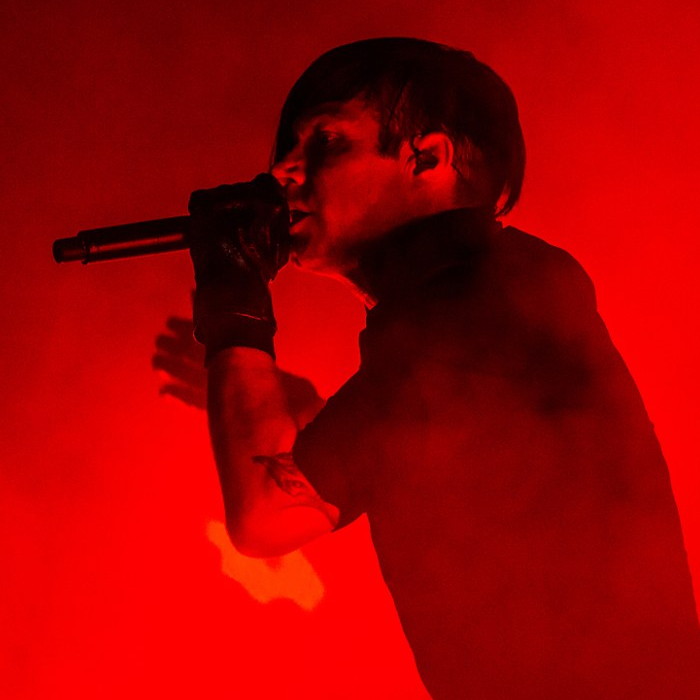
 view
view
Members
1
Popularity
 30
30
Followers
20,404
Origin
 Tønsberg
Genre
 Alternative Rock
Style
---
Mood
---
Active
 1989 to Present...
Cutout

1
Popularity
30Followers
20,404
Origin
TønsbergGenre
Alternative RockStyle
---
Mood
---
Active
1989 to Present...Cutout
 Most Loved Tracks
| Track | Last.FM Listens | Youtube views | Loves | |
|---|---|---|---|---|
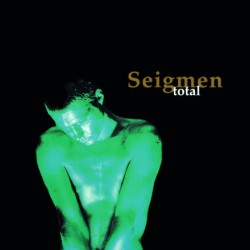 | Döderlein | 31,576 | 1 users  | |
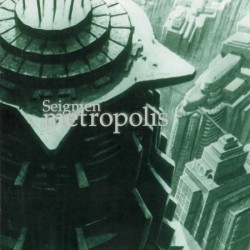 | Metropolis | 110,288 | 1 users | |
| Ohm | 67,161 | 1 users | |
| Slaver av solen | 99,770 | 1 users |
 Music Video Links
Artist Biography
Available in:
It started at a Christmas rock concert in Tønsberg in 1989. Alex Møklebust and Sverre Økshoff had put together a band they called Klisne Seigmenn, and even as an unfinished group they outperformed the rest of the evening’s artists, according to the local paper the following day. In 1990, Marius Roth Christensen joined on guitar, Kim Ljung on bass and Noralf Ronthi on drums, and the line-up that would define Norwegian rock for a decade was complete. The EP Pluto arrived in 1992 on their own label, but it was Total in 1994 — produced by Sylvia Massy, known for her work with Tool — that swept the country. The album was later named one of Norway’s hundred best of all time. Metropolis in 1995 went straight to the top of the charts, went platinum and won a Spellemann Award, and Seigmen were suddenly the first underground band of the ’90s to become national property. After Radiowaves in 1997 and a farewell concert at Rockefeller in 1999, it was over. Møklebust, Ljung and Ronthi formed Zeromancer, and that could have been the end. But Seigmen were resurrected in Dødens Dal in Trondheim in 2005, became the first Norwegian rock band to play the new Opera House in 2008, and surprised everyone with the comeback album Enola in 2015. In 2024 they announced a triple album release — Resonans, Dissonans and Substans — a project that confirms the band still has unfinished business.
The music is hard to pin to any single category, and that has always been the point. Seigmen themselves called it “massive plutonic gothcore” — a blend of heavy, repetitive grunge riffs, melancholic melodies, ambience, synth layers and lyrics about philosophy, religion and existence. The members brought vastly different preferences to the table, from hardcore and prog to synth-pop, and the result was a sound that resembled nothing else in Norway. Songs like “Metropolis”, “Mesusah” and “Sort tulipan” have become timeless in Norwegian rock — heavy and grandiose, yet with a catchy melancholy that goes straight to the heart.
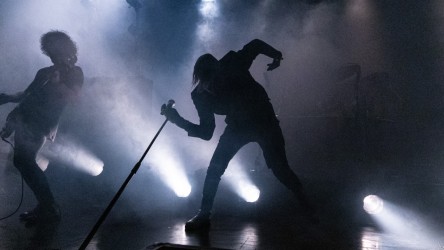
Live, Seigmen have always been in a league of their own. Already in the ‘90s they were regarded as Norway’s best live band, and the rare comeback concerts have only strengthened the myth. The Opera House concert in 2008 has endured as one of the most iconic moments in Norwegian rock history. Seigmen are a band that have never done anything by halves — they are either completely gone, or completely present.

Wide Thumb
Clearart
Fanart
Banner
User Comments
 No comments yet..
Status

Unlocked
Last Edit by Petter
20th Feb 2026
Socials
Streaming
External Links