 (0 users)

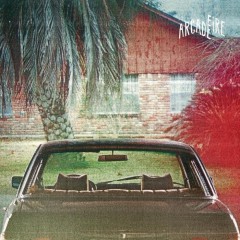
Cover NOT yet available in

Join up for 4K upload/download access
Your Rating (Click a star below)

Track List
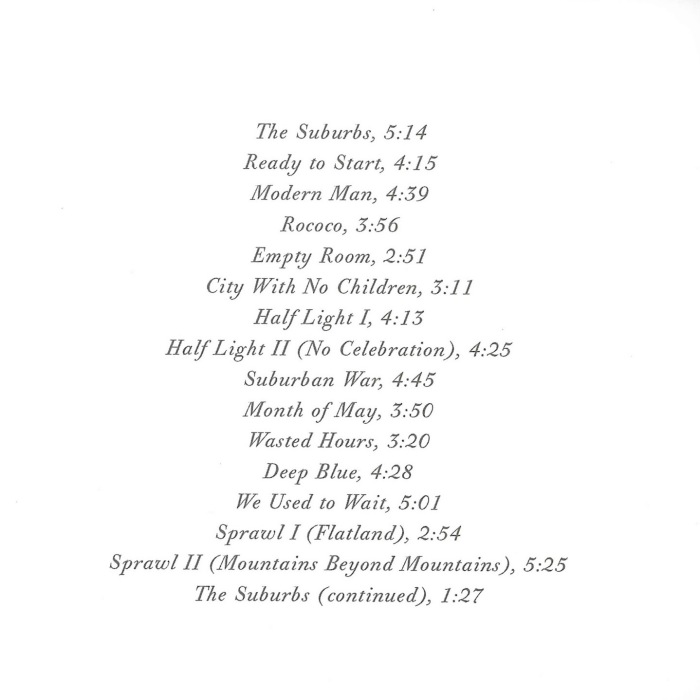
01) The Suburbs
02) Ready to Start
03) Modern Man
04) Rococo
05) Empty Room
06) City With No Children
07) Half Light I
08) Half Light II (No Celebration)
09) Suburban War
10) Month of May
11) Wasted Hours
12) Deep Blue
13) We Used to Wait
14) Sprawl I (Flatland)
15) Sprawl II (Mountains Beyond Mountains)
16) The Suburbs (continued)
01) The Suburbs
02) Ready to Start
03) Modern Man
04) Rococo
05) Empty Room
06) City With No Children
07) Half Light I
08) Half Light II (No Celebration)
09) Suburban War
10) Month of May
11) Wasted Hours
12) Deep Blue
13) We Used to Wait
14) Sprawl I (Flatland)
15) Sprawl II (Mountains Beyond Mountains)
16) The Suburbs (continued)
5:15
4:15
4:39
3:56
2:51
3:11
4:13
4:27
4:45
3:50
3:20
4:28
5:01
2:54
5:25
1:27
Data Complete 80%
Total Rating
Total Rating
Back Cover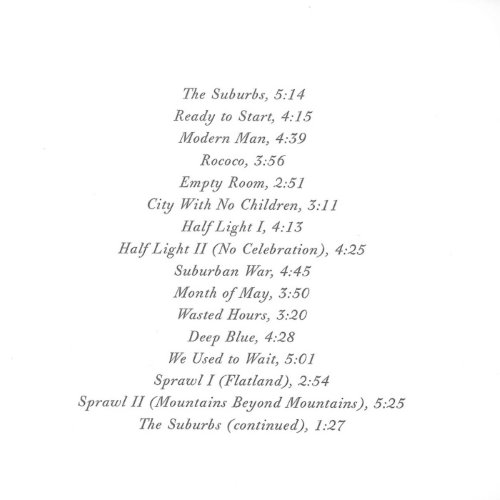
CD Art
3D Case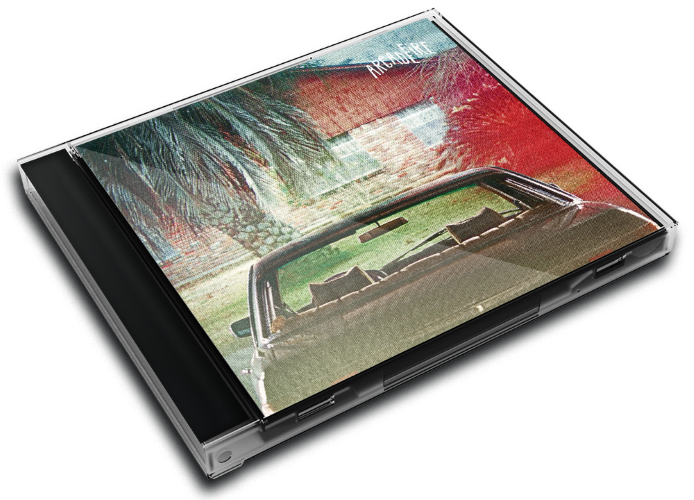
3D Thumb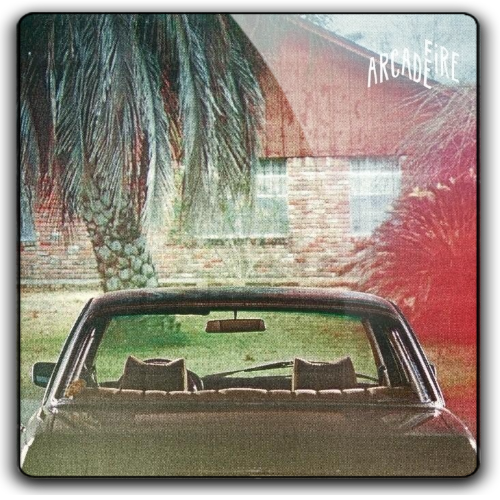
3D Flat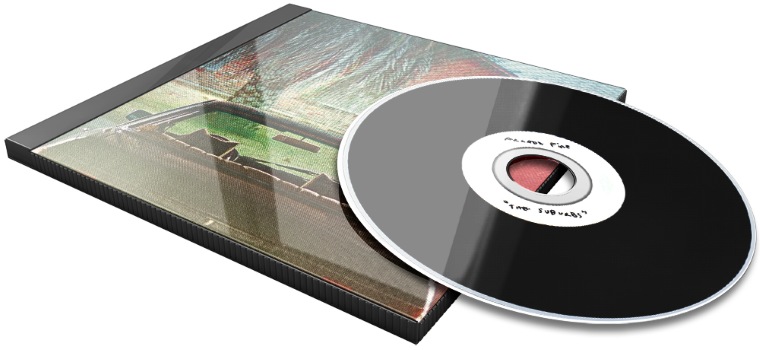
3D Face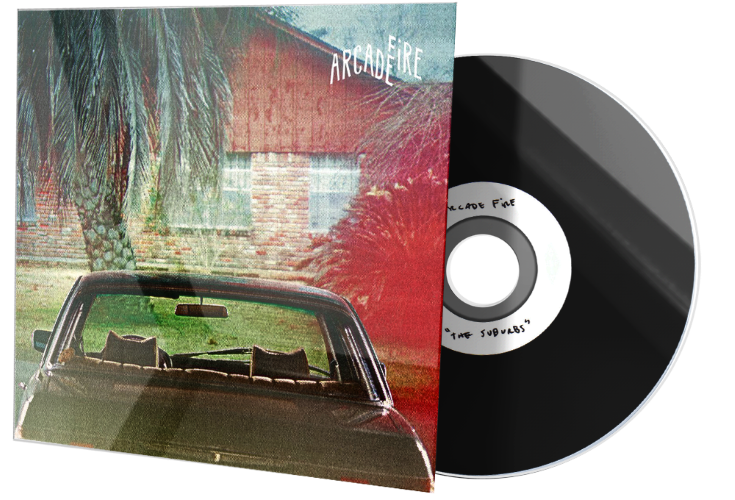
3D Spine
First Released
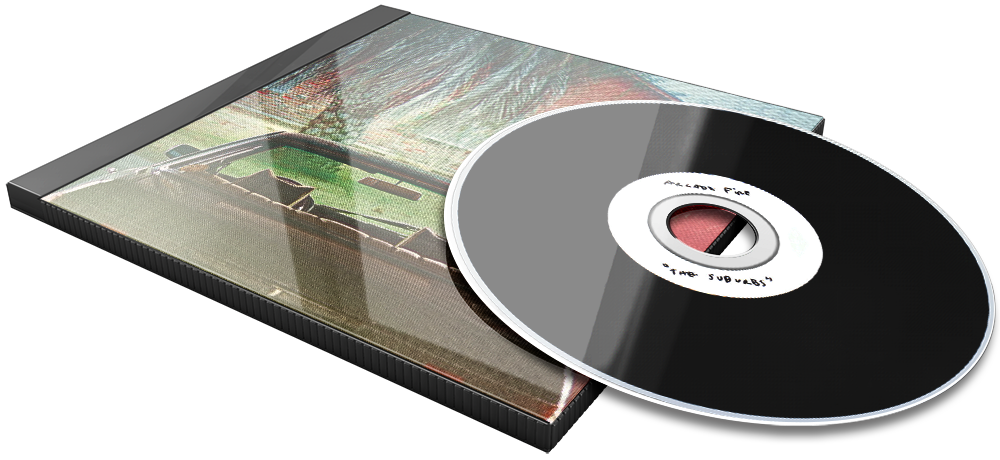
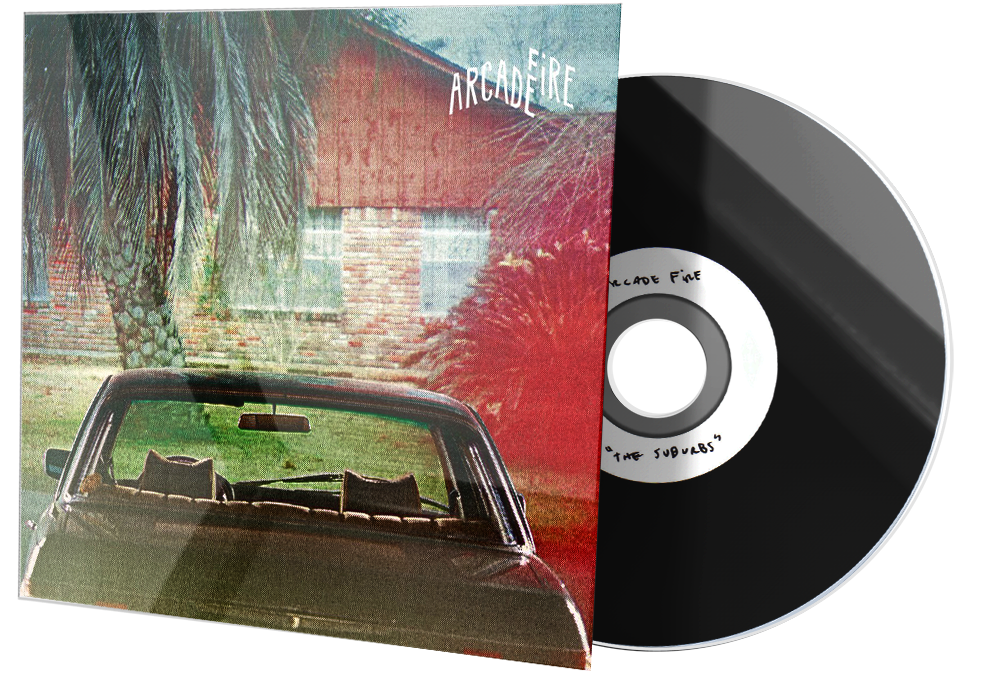
 2010
2010
 Indie
Indie
 Quirky
 Rock/Pop
---
 Medium
 Album
Album
 53/100
 886446576510
 0 copies
Album Description
Available in:

The Suburbs est le troisième album d'Arcade Fire, enregistré durant trois ans entre Montréal et New York.
Composé de 16 titres, cet opus se distingue par une conception globale méticuleuse et un séquençage fluide qui fait se côtoyer le punk de « Month of May » et l'acoustique de « Wasted Hours ».
En s'appuyant sur des influences allant de Springsteen à Depeche Mode, le groupe utilise cordes et synthétiseurs pour traiter de l'aliénation, de l'abandon et du sentiment d'exclusion sociale. Œuvre complexe et captivante, elle est considérée comme leur chapitre le plus abouti, marquant une progression créative majeure souvent comparée à OK Computer.

User Album Review
On an album full of moments when hope turns haunting, the ghosts hang heaviest on the spellbinding “Suburban War,” which comes roughly halfway through Arcade Fire’s blazingly intense third album. Against solemn ringing guitar, Win Butler sings about a man remembering an old friend. Once, the two grew their hair long and vowed to escape, past the fences and pavement, to a place where they could battle on behalf of what was pure. Years pass in a shiver of violin and piano, and now they find themselves fighting different wars. The old friend cuts his hair, then disappears. A martial beat pounds. Butler’s voice trembles, the song steels itself in double-time, and the man peers into the window of every passing car, looking for his old friend’s face, doomed to seek a lost connection. Two lives become shining beacons, distant stars.
If Arcade Fire’s ragtag debut, Funeral, found its ecstatic force by celebrating the elusive comforts of community (hence four songs with the word neighborhood in the title), and 2007’s aggrieved, galvanizing Neon Bible powered forth in opposition to the hollow sparkle of church, state, and celebrity, then the harder, denser The Suburbs burns on behalf of the belief that modern culture is missing its heart — and to give up the search is to send one’s soul to oblivion.
Or, in Suburbs speak, to the Sprawl, where everything is connected but nothing ever touches. The deceptively easygoing title track opens things on a bouncy base of acoustic guitar and piano, as Butler, his resolute howl shaded with emotions absent from his younger self’s wounded yelp, struggles against self-doubt (“Sometimes I can’t believe it / I’m moving past the feeling”) and the suspicious, show-me stance of the kids who wanna be so hard.
Those kids return as cynical art schoolers in “Ready to Start,” warning Butler that businessmen will drink his blood, their own vampirism made seductive by a throbbing, death-wish bass line and rush of clanging guitar. Things downshift on the third track, “Modern Man,” a gentle folk-rock ramble outfitted with glassy keyboard shudders that gradually evolve into majestic arabesques on the subsequent “Rococo,” where modern kids build things up just to burn them down and the world crumbles in a craggy guitar solo.
This is a bigger, more byzantine Arcade Fire. Words that serve as master keys in one lyric become hushed whispers in another. Looped sounds of lonely traffic and needles stuck in endless grooves act as segues. “Jumping Jack Flash” echoes in the clarion-call guitars of “City With No Children” while the rapturous “Half Light II (No Celebration)” resounds with “Baba O’Riley” piano chords. Safety-pin punk and campfire folk share space on the punch-caress combo of “Month of May” and “Wasted Hours.” Butler’s consumptive croon in “Sprawl I (Flatland)” is rejuvenated by Régine Chassagne’s seraphic wail on “Sprawl II (Mountains Beyond Mountains).” There are no wrong turns.
Radiant with apocalyptic tension and grasping to sustain real bonds, The Suburbs extends hungrily outward, recalling the dystopic miasma of William Gibson’s sci-fi novels and Sonic Youth’s guitar odysseys. Desperate to elude its own corrosive dread, it keeps moving, asking, looking, and making the promise that hope isn’t just another spiritual cul-de-sac. After all, you never know who might be coming in the next car.
External Album Reviews
None...
User Comments

Available in:
The Suburbs est le troisième album d'Arcade Fire, enregistré durant trois ans entre Montréal et New York.
Composé de 16 titres, cet opus se distingue par une conception globale méticuleuse et un séquençage fluide qui fait se côtoyer le punk de « Month of May » et l'acoustique de « Wasted Hours ».
En s'appuyant sur des influences allant de Springsteen à Depeche Mode, le groupe utilise cordes et synthétiseurs pour traiter de l'aliénation, de l'abandon et du sentiment d'exclusion sociale. Œuvre complexe et captivante, elle est considérée comme leur chapitre le plus abouti, marquant une progression créative majeure souvent comparée à OK Computer.
User Album Review
On an album full of moments when hope turns haunting, the ghosts hang heaviest on the spellbinding “Suburban War,” which comes roughly halfway through Arcade Fire’s blazingly intense third album. Against solemn ringing guitar, Win Butler sings about a man remembering an old friend. Once, the two grew their hair long and vowed to escape, past the fences and pavement, to a place where they could battle on behalf of what was pure. Years pass in a shiver of violin and piano, and now they find themselves fighting different wars. The old friend cuts his hair, then disappears. A martial beat pounds. Butler’s voice trembles, the song steels itself in double-time, and the man peers into the window of every passing car, looking for his old friend’s face, doomed to seek a lost connection. Two lives become shining beacons, distant stars.
If Arcade Fire’s ragtag debut, Funeral, found its ecstatic force by celebrating the elusive comforts of community (hence four songs with the word neighborhood in the title), and 2007’s aggrieved, galvanizing Neon Bible powered forth in opposition to the hollow sparkle of church, state, and celebrity, then the harder, denser The Suburbs burns on behalf of the belief that modern culture is missing its heart — and to give up the search is to send one’s soul to oblivion.
Or, in Suburbs speak, to the Sprawl, where everything is connected but nothing ever touches. The deceptively easygoing title track opens things on a bouncy base of acoustic guitar and piano, as Butler, his resolute howl shaded with emotions absent from his younger self’s wounded yelp, struggles against self-doubt (“Sometimes I can’t believe it / I’m moving past the feeling”) and the suspicious, show-me stance of the kids who wanna be so hard.
Those kids return as cynical art schoolers in “Ready to Start,” warning Butler that businessmen will drink his blood, their own vampirism made seductive by a throbbing, death-wish bass line and rush of clanging guitar. Things downshift on the third track, “Modern Man,” a gentle folk-rock ramble outfitted with glassy keyboard shudders that gradually evolve into majestic arabesques on the subsequent “Rococo,” where modern kids build things up just to burn them down and the world crumbles in a craggy guitar solo.
This is a bigger, more byzantine Arcade Fire. Words that serve as master keys in one lyric become hushed whispers in another. Looped sounds of lonely traffic and needles stuck in endless grooves act as segues. “Jumping Jack Flash” echoes in the clarion-call guitars of “City With No Children” while the rapturous “Half Light II (No Celebration)” resounds with “Baba O’Riley” piano chords. Safety-pin punk and campfire folk share space on the punch-caress combo of “Month of May” and “Wasted Hours.” Butler’s consumptive croon in “Sprawl I (Flatland)” is rejuvenated by Régine Chassagne’s seraphic wail on “Sprawl II (Mountains Beyond Mountains).” There are no wrong turns.
Radiant with apocalyptic tension and grasping to sustain real bonds, The Suburbs extends hungrily outward, recalling the dystopic miasma of William Gibson’s sci-fi novels and Sonic Youth’s guitar odysseys. Desperate to elude its own corrosive dread, it keeps moving, asking, looking, and making the promise that hope isn’t just another spiritual cul-de-sac. After all, you never know who might be coming in the next car.
External Album Reviews
None...
User Comments
Status
 unlocked
External Links


Updated entry to fix musicbrainz id