 (0 users)




Cover NOT yet available in

Join up for 4K upload/download access
Your Rating (Click a star below)

Track List
01) Night Ride
02) Gianaina
03) First Summer Without You
04) Tractor Pull
05) Crossing Open Water
06) The Groove is Real
07) What You Don't See
08) Accelerator
09) Love in the Old Country
10) Along the Perimeter
11) Lost Time
12) Quintana Roo
13) After a Rain
14) Shinkansen
01) Night Ride
02) Gianaina
03) First Summer Without You
04) Tractor Pull
05) Crossing Open Water
06) The Groove is Real
07) What You Don't See
08) Accelerator
09) Love in the Old Country
10) Along the Perimeter
11) Lost Time
12) Quintana Roo
13) After a Rain
14) Shinkansen

4:58
3:42
4:31
3:50
4:45
3:01
5:02
3:22
3:59
3:28
4:33
3:35
3:58
2:59
Data Complete 90%
Total Rating
Total Rating
 (1 users)
Back Cover
CD Art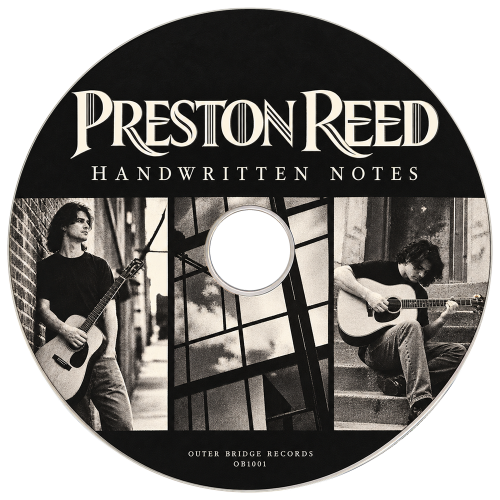
3D Case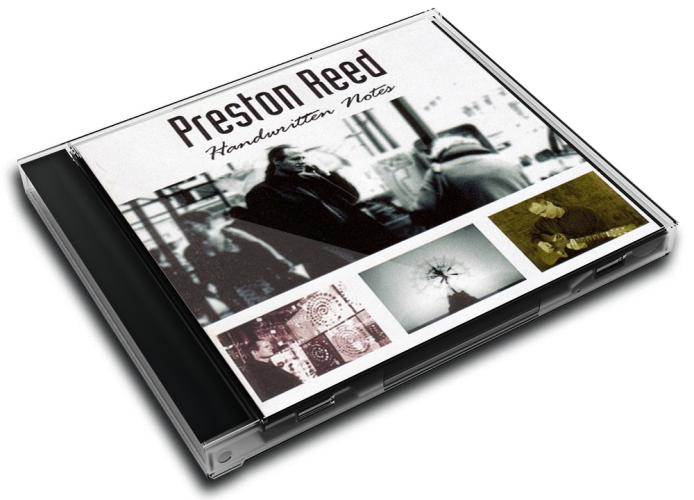
3D Thumb
3D Flat
3D Face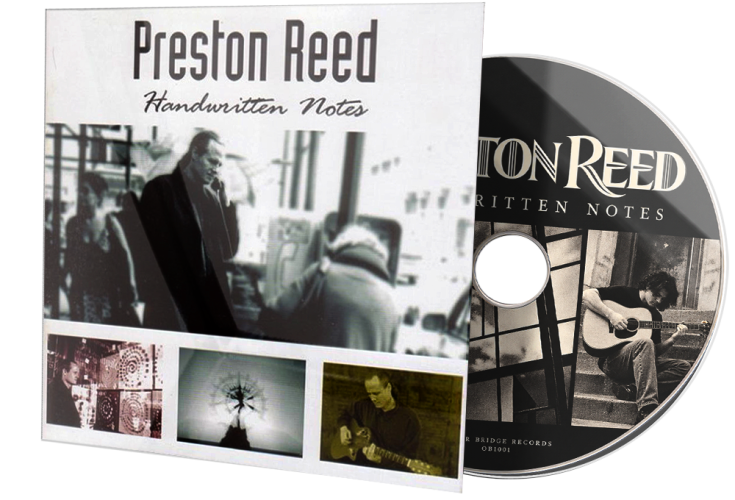
3D Spine
First Released
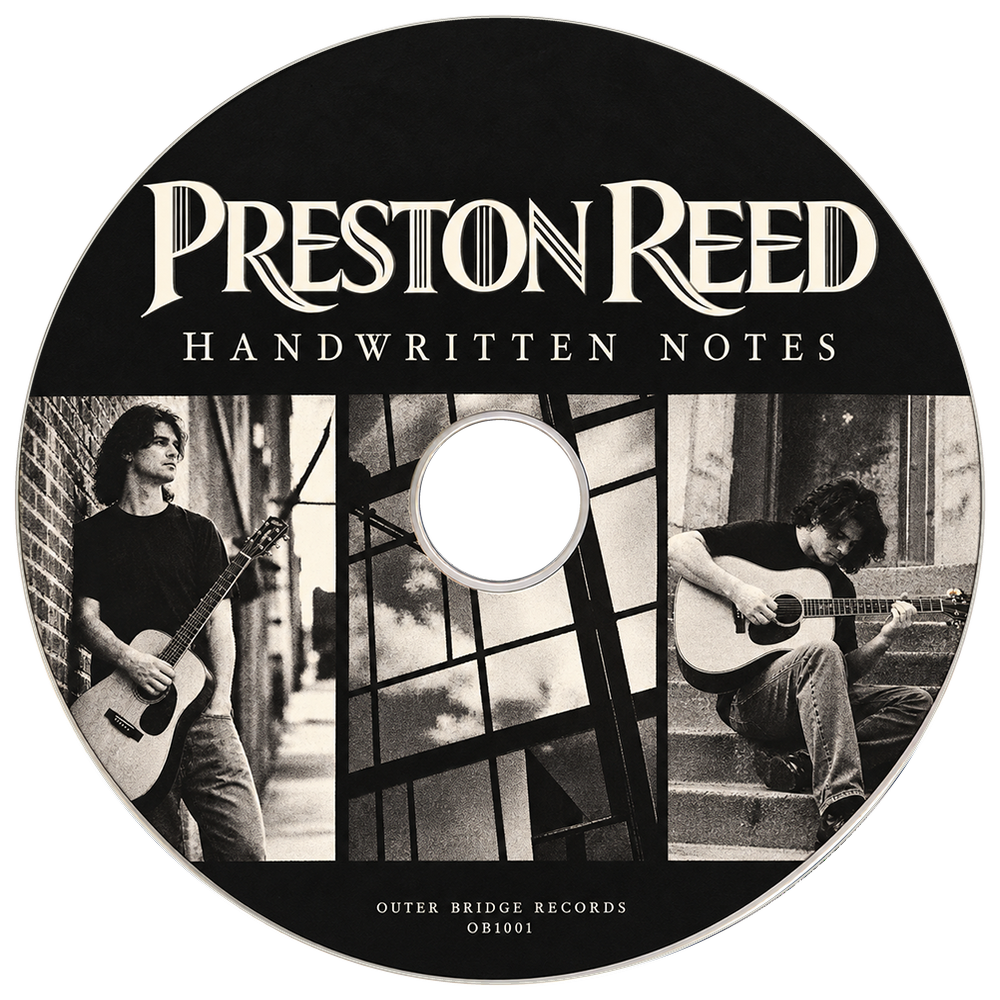
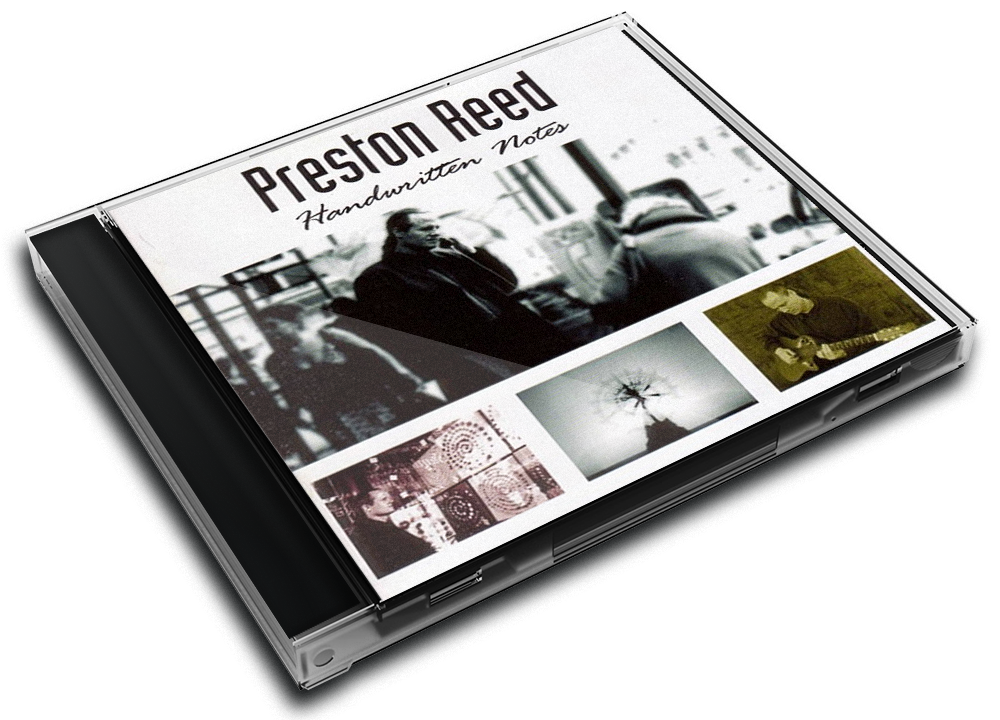
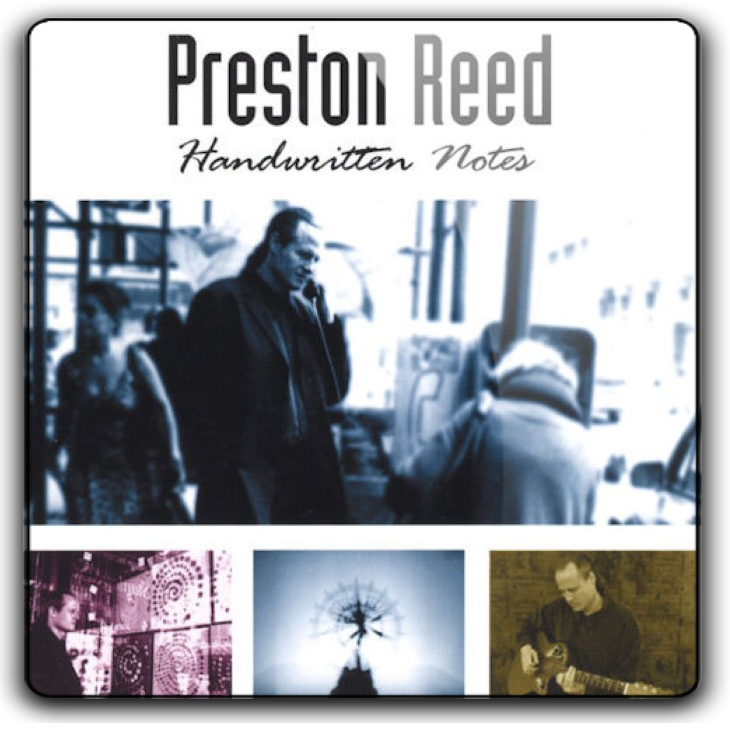

 2000
 Jazz
 Energetic
 Jazz
---
 Medium
 Album
11/100
 5060081190002
 0 copies
Album Description
Available in:

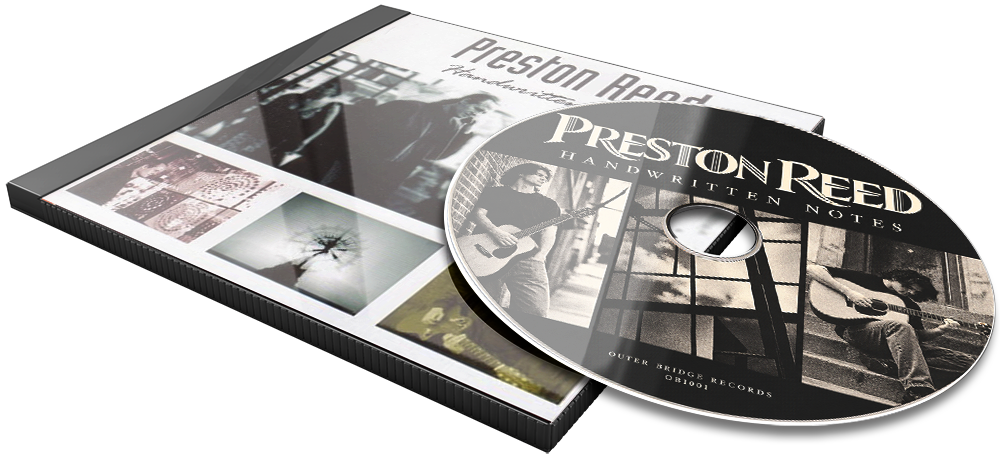
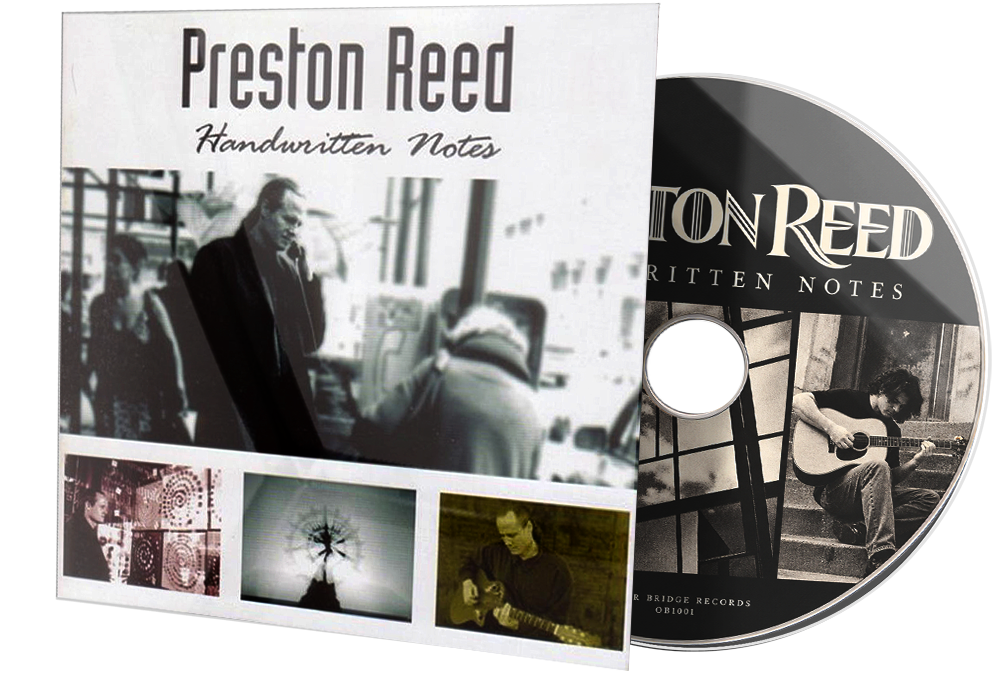
With Handwritten Notes, American guitarist Preston Reed released an extraordinary instrumental album in 2000 that impressively expands the sonic and technical possibilities of the acoustic guitar. Released on his own label, Outer Bridge Records, the album features 14 original compositions with a total playing time of approximately 55 minutes. Reed combines elements of jazz, blues, funk, rock, and contemporary acoustic guitar music into a distinctive musical language. The focus is not merely on his spectacular playing techniques, but above all on the combination of rhythmic energy, melodic expressiveness, and compositional diversity.
Preston Reed is one of the pioneering figures of modern percussive fingerstyle guitar. As early as the 1980s, he developed a playing style in which both hands are used independently on the fretboard and the guitar body. Alongside traditional fingerpicking techniques, he employs two-handed tapping, percussive strikes on different parts of the instrument, and unusual rhythmic patterns. This creates multilayered soundscapes that can give the impression of several instruments being played simultaneously. Particularly characteristic is the combination of deep bass pulses, distinctive drum-like rhythms, and melodic lines above them.
Handwritten Notes occupies a special place in his discography. Following his collaboration with Imaginary Roads, the label founded by Will Ackerman, Reed had already recorded material for an album that was never released due to business changes at PolyGram. He revisited several of these compositions for Handwritten Notes and developed them further. The recordings took place in Minnesota during the summer of 2000. Reed was responsible for all the compositions, instrumental performances, and production himself. The technical work was handled by Paul Baron, who was responsible for recording, mixing, and mastering.
Compared with his earlier releases, Reed places greater emphasis on compositional development on this album. His music continues to combine powerful percussive techniques with unconventional playing methods, but it also creates more space for lyrical melodies, jazz-influenced harmonies, and more complex rhythmic structures. It is precisely this contrast between physically tangible energy and quiet musical reflection that gives the release its distinctive character.
The album opens with Night Ride, a composition whose title evokes the image of a journey through the night. The piece exemplifies Reed's ability to combine rhythmic movement with melodic development. The acoustic guitar simultaneously fulfills several musical functions. Deep bass patterns provide the foundation, while percussive accents create rhythmic tension and melodic motifs shape the musical progression. The result is a powerful opening that immediately establishes the album's stylistic direction.
Gianaina expands the musical palette with distinctly blues-oriented elements. Here, Reed draws on forms of musical expression closely associated with the American blues tradition and incorporates them into his modern guitar technique. Particularly interesting is the interaction between rhythmic precision and melodic flexibility. Rather than appearing as a historical stylistic reference, the blues becomes a living component of a contemporary instrumental language.
First Summer Without You follows as one of the album's most emotional compositions. Reed drew inspiration for this piece from the music of jazz pianist Bill Evans, whose harmonic sensitivity and lyrical expressiveness played an important role in the development of modern jazz. The composition is distinguished by its reflective atmosphere and sophisticated harmonic structure. Instead of using the guitar's technical possibilities for dramatic effect, Reed concentrates on melodic subtleties and musical tension. It is precisely this restraint that makes the piece one of the album's particular highlights.
Tractor Pull subsequently provides a powerful contrast. The composition highlights the rhythmic side of Reed's playing technique and places the percussive possibilities of the acoustic guitar at the forefront. Rapid tapping figures, distinctive rhythmic accents, and the simultaneous movement of different musical voices create remarkable sonic density. Reed treats the guitar not only as a string instrument but also as a rhythmic sound source. The result is an energetic combination of instrumental virtuosity and rhythmic creativity.
Crossing Open Water holds particular compositional significance. Reed developed the piece following a visit to Scotland in 2000. The composition is written in 7/8 time and combines an unusual rhythmic structure with an emotionally charged musical progression. The asymmetrical meter gives the piece a distinctive sense of movement without overshadowing its melodic development. This combination of complex rhythms and atmospheric expressiveness demonstrates just how far Reed has developed his musical language beyond traditional fingerstyle patterns.
With The Groove Is Real, the focus returns to the rhythmic energy of his music. The title itself identifies groove as a central musical element. In Reed's playing, this groove does not emerge from the interaction of a complete rhythm section, but from the precise coordination of different picking and percussion techniques. Bass patterns, rhythmic strikes, and melodic accents form a closely interconnected structure. The influence of funk and rhythm-oriented rock music becomes particularly evident.
What You Don't See is among the quieter and more melodically oriented pieces on the album. The composition allows room for sophisticated musical development and demonstrates Reed's ability to create an intense atmosphere without relying on spectacular rhythmic effects. The emphasis lies on harmonic structure, the development of melodic motifs, and the deliberate use of musical tension. Pieces such as this reveal that Reed's importance rests not only on his innovative playing techniques but also on his highly developed compositional sensitivity.
Accelerator subsequently returns to an energetic musical approach. The title already suggests increasing movement and momentum. The composition reflects the side of Reed's music in which rapid rhythmic figures, precisely coordinated movements, and powerful accents play a central role. Particularly remarkable is his ability to combine complex rhythmic structures with an immediately engaging musical impact.
With Love in the Old Country, the atmosphere changes once again. The title suggests connections to memory, heritage, and personal attachment. Within the album, the piece provides a contrast to the more percussive compositions. Reed reveals his lyrical side, using the acoustic guitar's tonal possibilities for a more melodically oriented form of expression. The combination of musical warmth and harmonic development emphasizes the stylistic breadth of his compositions.
Along the Perimeter and Lost Time continue the album's varied musical progression. While the title Along the Perimeter evokes ideas of movement and spatial orientation, Lost Time suggests memory and the passage of time. Both compositions fit into the interplay between rhythmic structure and melodic expressiveness that characterizes the entire album. Particularly interesting is Reed's ability to develop musical structures that produce a clear emotional impact despite their technical complexity.
Quintana Roo evokes the region of the same name on Mexico's Caribbean coast. The title suggests southern landscapes, movement, and cultural diversity. Within the collection, the composition broadens the geographical and atmospheric associations that Reed establishes through several of his track titles. His openness to different musical influences is one of the essential characteristics of his compositional approach.
After a Rain follows with a title that suggests calm and renewal after a rain shower. The piece represents the reflective side of Reed's music, in which melodic development and the acoustic guitar's tonal qualities assume particular importance. Such musical moments provide an essential balance to the rhythmically intense compositions and contribute significantly to the album's overall dramatic coherence.
The album concludes with Shinkansen, named after the Japanese high-speed train. The title conveys speed, technical precision, and unstoppable movement—qualities that can also be associated with Reed's rhythmically oriented guitar technique. As the closing composition, the piece provides a dynamic conclusion and once again emphasizes the connection between instrumental virtuosity, rhythmic energy, and musical imagination.
One of the particular strengths of Handwritten Notes lies in its consistent combination of different forms of musical expression. Reed uses the acoustic guitar not merely to perform traditional melodies and chord progressions, but develops a distinctive instrumental language from its mechanical and tonal characteristics. The simultaneous use of tapping, percussive techniques, bass patterns, and melodic lines enables complex arrangements that extend far beyond the usual possibilities of conventional guitar accompaniment.
The harmonic development of his compositions is equally remarkable. The influence of jazz is particularly evident in the sophisticated chord structures and deliberate handling of musical tension. Reed combines these elements with rhythmic influences from funk and rock, as well as the direct expressiveness of the blues. The result is music that resists straightforward genre classification and derives much of its individuality from this stylistic openness.
The production also contributes to the character of the release. Since Reed performed all the instrumental parts himself, the acoustic guitar remains the central means of expression throughout. The recording demonstrates how many different tonal colors and rhythmic functions a single instrument can fulfill. Rather than attempting to simulate a complete band, the emphasis is on developing a distinctive musical sound world that emerges directly from Reed's innovative playing technique.
Handwritten Notes is one of the significant releases in Preston Reed's discography and demonstrates his position as a pioneer of modern percussive fingerstyle guitar. The 14 original compositions combine powerful rhythmic structures with lyrical melodies, jazz-influenced harmonies, and remarkable stylistic diversity. Particularly impressive is the balance between technical innovation and musical expression. Reed demonstrates that the acoustic guitar can be far more than a traditional melodic or accompanying instrument. A sophisticated, varied, and artistically distinctive album that has made a lasting contribution to the development of modern acoustic guitar music.

User Album Review
None...
External Album Reviews
None...
User Comments

Available in:
With Handwritten Notes, American guitarist Preston Reed released an extraordinary instrumental album in 2000 that impressively expands the sonic and technical possibilities of the acoustic guitar. Released on his own label, Outer Bridge Records, the album features 14 original compositions with a total playing time of approximately 55 minutes. Reed combines elements of jazz, blues, funk, rock, and contemporary acoustic guitar music into a distinctive musical language. The focus is not merely on his spectacular playing techniques, but above all on the combination of rhythmic energy, melodic expressiveness, and compositional diversity.
Preston Reed is one of the pioneering figures of modern percussive fingerstyle guitar. As early as the 1980s, he developed a playing style in which both hands are used independently on the fretboard and the guitar body. Alongside traditional fingerpicking techniques, he employs two-handed tapping, percussive strikes on different parts of the instrument, and unusual rhythmic patterns. This creates multilayered soundscapes that can give the impression of several instruments being played simultaneously. Particularly characteristic is the combination of deep bass pulses, distinctive drum-like rhythms, and melodic lines above them.
Handwritten Notes occupies a special place in his discography. Following his collaboration with Imaginary Roads, the label founded by Will Ackerman, Reed had already recorded material for an album that was never released due to business changes at PolyGram. He revisited several of these compositions for Handwritten Notes and developed them further. The recordings took place in Minnesota during the summer of 2000. Reed was responsible for all the compositions, instrumental performances, and production himself. The technical work was handled by Paul Baron, who was responsible for recording, mixing, and mastering.
Compared with his earlier releases, Reed places greater emphasis on compositional development on this album. His music continues to combine powerful percussive techniques with unconventional playing methods, but it also creates more space for lyrical melodies, jazz-influenced harmonies, and more complex rhythmic structures. It is precisely this contrast between physically tangible energy and quiet musical reflection that gives the release its distinctive character.
The album opens with Night Ride, a composition whose title evokes the image of a journey through the night. The piece exemplifies Reed's ability to combine rhythmic movement with melodic development. The acoustic guitar simultaneously fulfills several musical functions. Deep bass patterns provide the foundation, while percussive accents create rhythmic tension and melodic motifs shape the musical progression. The result is a powerful opening that immediately establishes the album's stylistic direction.
Gianaina expands the musical palette with distinctly blues-oriented elements. Here, Reed draws on forms of musical expression closely associated with the American blues tradition and incorporates them into his modern guitar technique. Particularly interesting is the interaction between rhythmic precision and melodic flexibility. Rather than appearing as a historical stylistic reference, the blues becomes a living component of a contemporary instrumental language.
First Summer Without You follows as one of the album's most emotional compositions. Reed drew inspiration for this piece from the music of jazz pianist Bill Evans, whose harmonic sensitivity and lyrical expressiveness played an important role in the development of modern jazz. The composition is distinguished by its reflective atmosphere and sophisticated harmonic structure. Instead of using the guitar's technical possibilities for dramatic effect, Reed concentrates on melodic subtleties and musical tension. It is precisely this restraint that makes the piece one of the album's particular highlights.
Tractor Pull subsequently provides a powerful contrast. The composition highlights the rhythmic side of Reed's playing technique and places the percussive possibilities of the acoustic guitar at the forefront. Rapid tapping figures, distinctive rhythmic accents, and the simultaneous movement of different musical voices create remarkable sonic density. Reed treats the guitar not only as a string instrument but also as a rhythmic sound source. The result is an energetic combination of instrumental virtuosity and rhythmic creativity.
Crossing Open Water holds particular compositional significance. Reed developed the piece following a visit to Scotland in 2000. The composition is written in 7/8 time and combines an unusual rhythmic structure with an emotionally charged musical progression. The asymmetrical meter gives the piece a distinctive sense of movement without overshadowing its melodic development. This combination of complex rhythms and atmospheric expressiveness demonstrates just how far Reed has developed his musical language beyond traditional fingerstyle patterns.
With The Groove Is Real, the focus returns to the rhythmic energy of his music. The title itself identifies groove as a central musical element. In Reed's playing, this groove does not emerge from the interaction of a complete rhythm section, but from the precise coordination of different picking and percussion techniques. Bass patterns, rhythmic strikes, and melodic accents form a closely interconnected structure. The influence of funk and rhythm-oriented rock music becomes particularly evident.
What You Don't See is among the quieter and more melodically oriented pieces on the album. The composition allows room for sophisticated musical development and demonstrates Reed's ability to create an intense atmosphere without relying on spectacular rhythmic effects. The emphasis lies on harmonic structure, the development of melodic motifs, and the deliberate use of musical tension. Pieces such as this reveal that Reed's importance rests not only on his innovative playing techniques but also on his highly developed compositional sensitivity.
Accelerator subsequently returns to an energetic musical approach. The title already suggests increasing movement and momentum. The composition reflects the side of Reed's music in which rapid rhythmic figures, precisely coordinated movements, and powerful accents play a central role. Particularly remarkable is his ability to combine complex rhythmic structures with an immediately engaging musical impact.
With Love in the Old Country, the atmosphere changes once again. The title suggests connections to memory, heritage, and personal attachment. Within the album, the piece provides a contrast to the more percussive compositions. Reed reveals his lyrical side, using the acoustic guitar's tonal possibilities for a more melodically oriented form of expression. The combination of musical warmth and harmonic development emphasizes the stylistic breadth of his compositions.
Along the Perimeter and Lost Time continue the album's varied musical progression. While the title Along the Perimeter evokes ideas of movement and spatial orientation, Lost Time suggests memory and the passage of time. Both compositions fit into the interplay between rhythmic structure and melodic expressiveness that characterizes the entire album. Particularly interesting is Reed's ability to develop musical structures that produce a clear emotional impact despite their technical complexity.
Quintana Roo evokes the region of the same name on Mexico's Caribbean coast. The title suggests southern landscapes, movement, and cultural diversity. Within the collection, the composition broadens the geographical and atmospheric associations that Reed establishes through several of his track titles. His openness to different musical influences is one of the essential characteristics of his compositional approach.
After a Rain follows with a title that suggests calm and renewal after a rain shower. The piece represents the reflective side of Reed's music, in which melodic development and the acoustic guitar's tonal qualities assume particular importance. Such musical moments provide an essential balance to the rhythmically intense compositions and contribute significantly to the album's overall dramatic coherence.
The album concludes with Shinkansen, named after the Japanese high-speed train. The title conveys speed, technical precision, and unstoppable movement—qualities that can also be associated with Reed's rhythmically oriented guitar technique. As the closing composition, the piece provides a dynamic conclusion and once again emphasizes the connection between instrumental virtuosity, rhythmic energy, and musical imagination.
One of the particular strengths of Handwritten Notes lies in its consistent combination of different forms of musical expression. Reed uses the acoustic guitar not merely to perform traditional melodies and chord progressions, but develops a distinctive instrumental language from its mechanical and tonal characteristics. The simultaneous use of tapping, percussive techniques, bass patterns, and melodic lines enables complex arrangements that extend far beyond the usual possibilities of conventional guitar accompaniment.
The harmonic development of his compositions is equally remarkable. The influence of jazz is particularly evident in the sophisticated chord structures and deliberate handling of musical tension. Reed combines these elements with rhythmic influences from funk and rock, as well as the direct expressiveness of the blues. The result is music that resists straightforward genre classification and derives much of its individuality from this stylistic openness.
The production also contributes to the character of the release. Since Reed performed all the instrumental parts himself, the acoustic guitar remains the central means of expression throughout. The recording demonstrates how many different tonal colors and rhythmic functions a single instrument can fulfill. Rather than attempting to simulate a complete band, the emphasis is on developing a distinctive musical sound world that emerges directly from Reed's innovative playing technique.
Handwritten Notes is one of the significant releases in Preston Reed's discography and demonstrates his position as a pioneer of modern percussive fingerstyle guitar. The 14 original compositions combine powerful rhythmic structures with lyrical melodies, jazz-influenced harmonies, and remarkable stylistic diversity. Particularly impressive is the balance between technical innovation and musical expression. Reed demonstrates that the acoustic guitar can be far more than a traditional melodic or accompanying instrument. A sophisticated, varied, and artistically distinctive album that has made a lasting contribution to the development of modern acoustic guitar music.
User Album Review
None...
External Album Reviews
None...
User Comments
No comments yet...
Status
 unlocked
External Links


