 (0 users)

Cover NOT yet available in

Join up for 4K upload/download access
Your Rating (Click a star below)

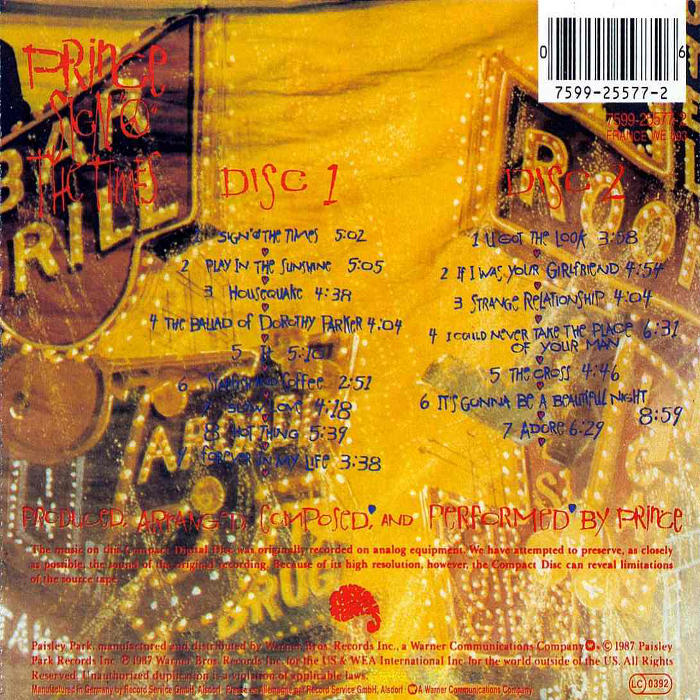
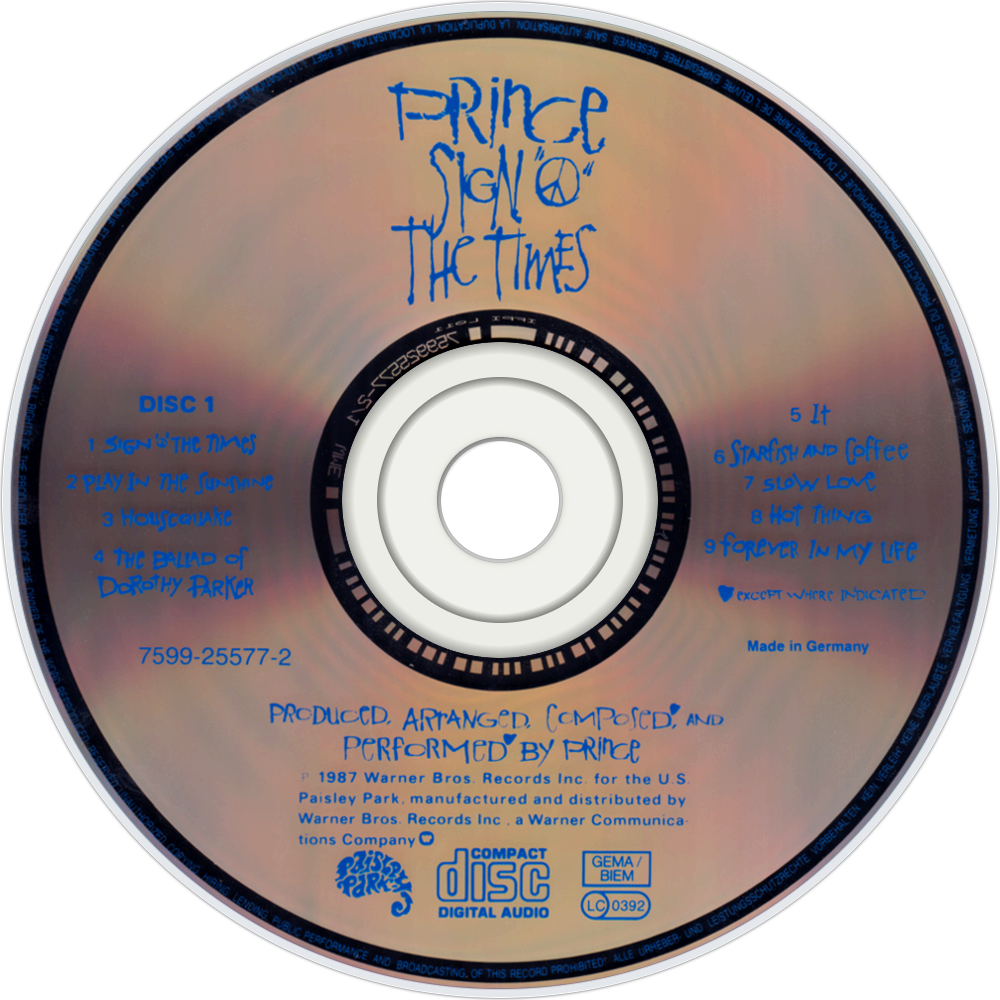
Track List
01) Sign “☮” the Times
02) Play in the Sunshine
03) Housequake
04) The Ballad of Dorothy Parker
05) It
06) Starfish and Coffee
07) Slow Love
08) Hot Thing
09) Forever in My Life
Cd 2
01) U Got the Look
02) If I Was Your Girlfriend
03) Strange Relationship
04) I Could Never Take the Place of Your Man
05) The Cross
06) It's Gonna Be a Beautiful Night
07) Adore
01) Sign “☮” the Times
02) Play in the Sunshine
03) Housequake
04) The Ballad of Dorothy Parker
05) It
06) Starfish and Coffee
07) Slow Love
08) Hot Thing
09) Forever in My Life
Cd 2
01) U Got the Look
02) If I Was Your Girlfriend
03) Strange Relationship
04) I Could Never Take the Place of Your Man
05) The Cross
06) It's Gonna Be a Beautiful Night
07) Adore

4:56
5:05
4:42
4:01
5:09
2:50
4:22
5:39
3:30
3:47
5:01
4:01
6:29
4:48
9:01
6:30
Data Complete 80%
Total Rating
Total Rating
 (2 users)
Back Cover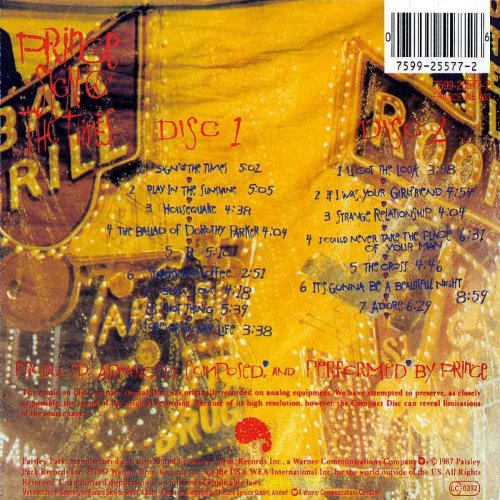
CD Art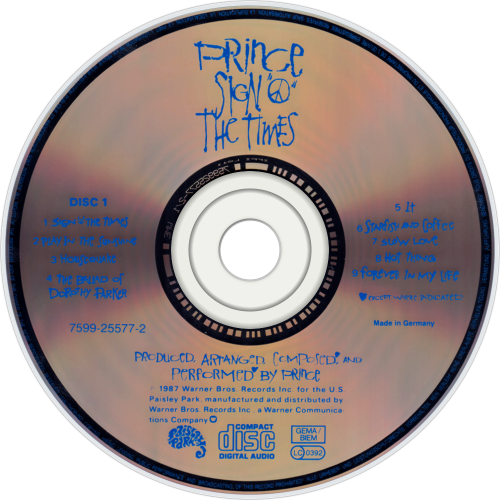
3D Case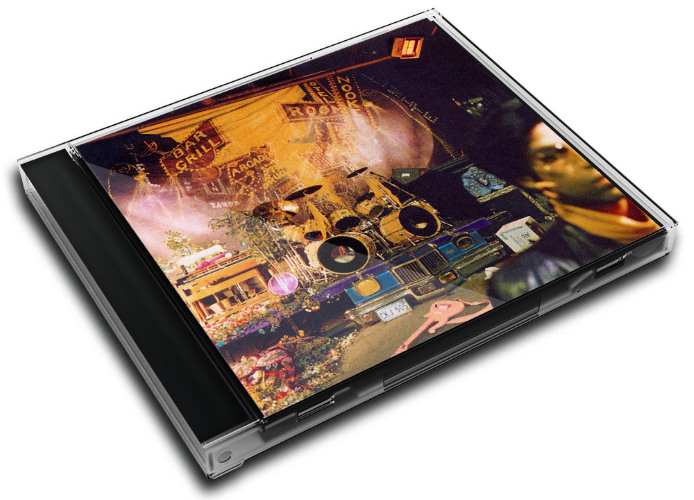
3D Thumb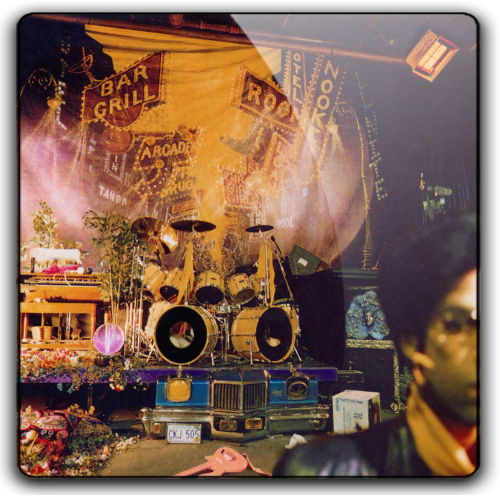
3D Flat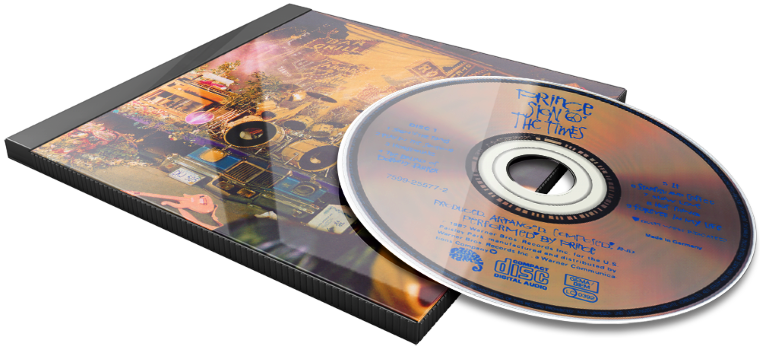
3D Face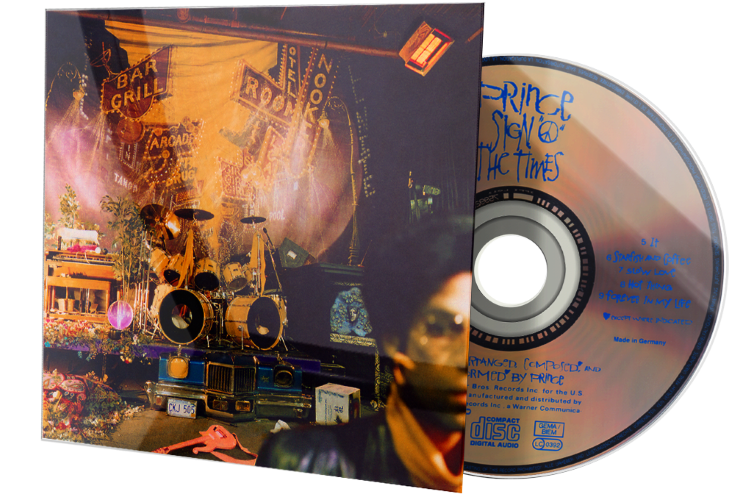
3D Spine
First Released
 1987
1987
 Funk
Funk
 Energetic
 Urban/R&B
---
 Medium
 Album
Album
---
 ---
---
 5,250,000 copies
Album Description
Available in:


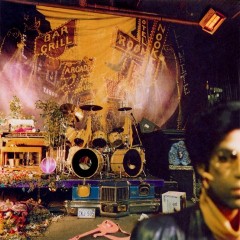
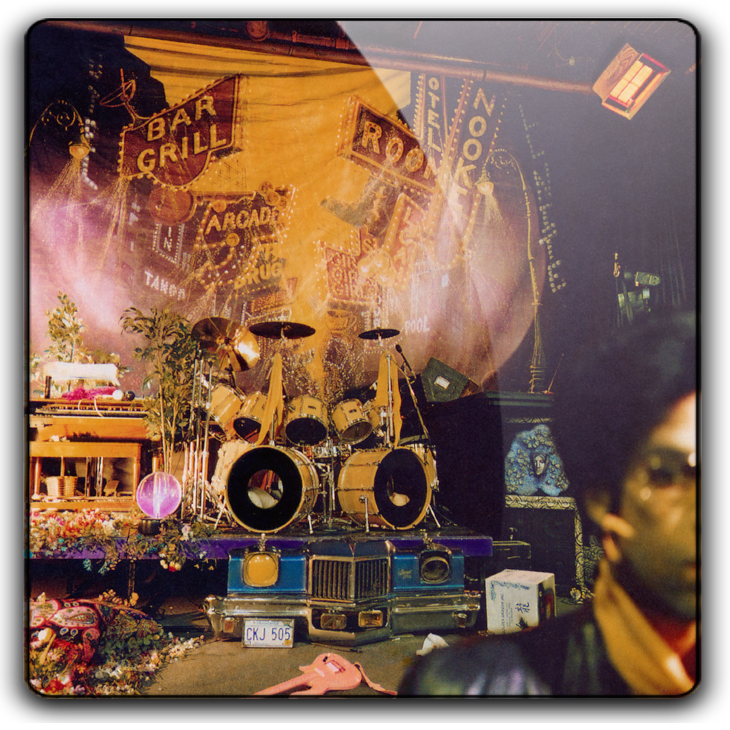
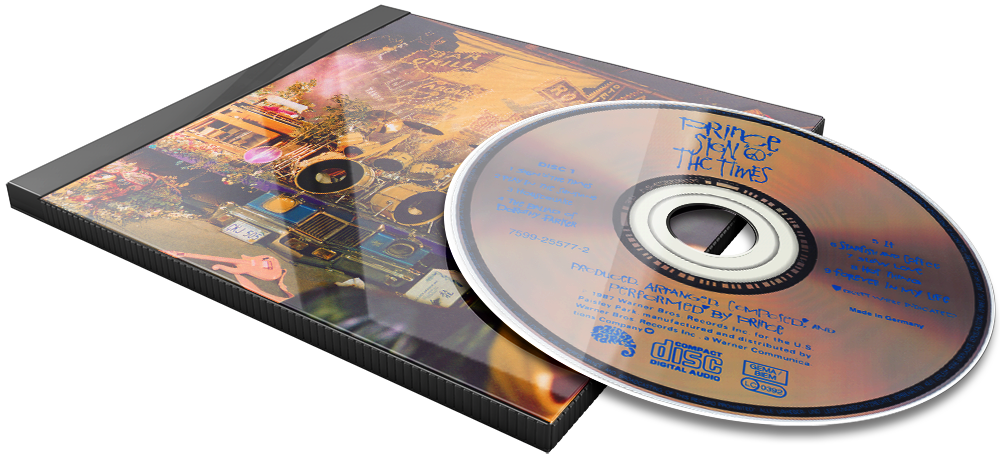
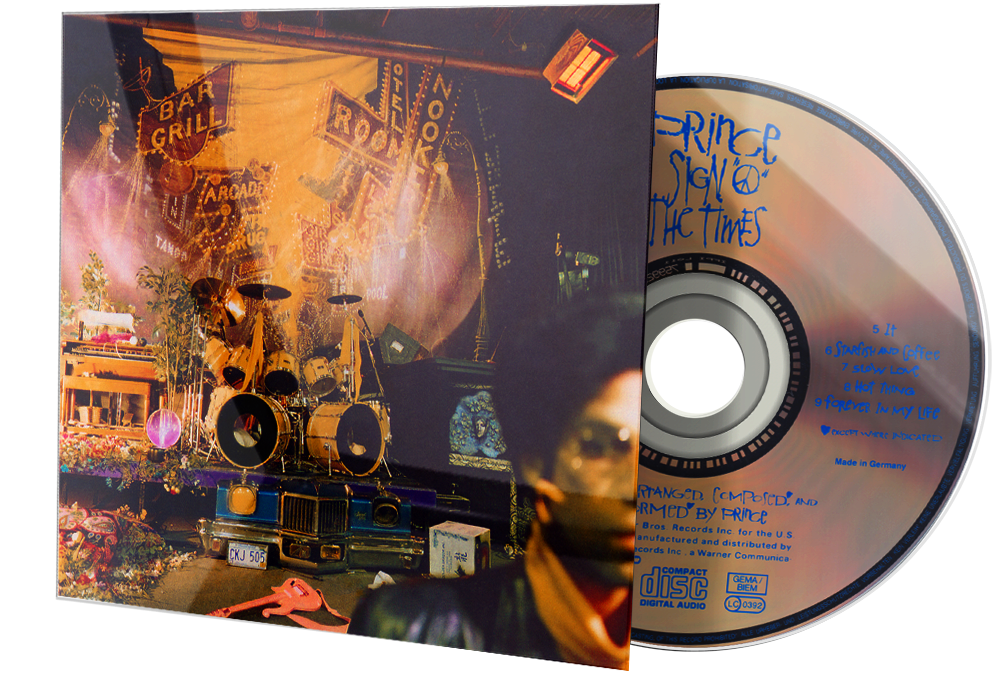
Sign "O" the Times (stylisé Sign "☮" the Times) est le neuvième album studio de Prince, paru le 31 mars 1987 sous les labels Paisley Park Records et Warner Bros. Records.
Succédant à Parade (1986), il s'agit de son premier projet solo après sa séparation d'avec The Revolution.
L'œuvre explore des sonorités funk, soul, pop psychédélique et rock à travers des thématiques variées comme l'état du monde, l'androgynie (« If I Was Your Girlfriend »), le désir (« It ») ou l'éveil spirituel (« The Cross »).
Accompagné d'un film de concert homonyme, ce double album est considéré par la critique comme un chef-d'œuvre et l'un des meilleurs disques des années 1980, marquant la fin de l'ère des blockbusters vinyles avant la domination du hip-hop.

User Album Review
The release of Sign O’ The Times marks Prince’s first album since his disbanding of the Revolution in October 1986 – the result of which triggering much of the content to be reworked, although members of the Revolution still feature in the final configuration of the album (and entirely on It’s Gonna Be a Beautiful Night – their final recording as a group).
In 1986 Prince planned to release an 18-track double album named Dream Factory, which later that year became an 8 track album named Camille. In early 1987 its configuration evolved into a 22-track triple album and was again renamed, Crystal Ball, and with all the songs credited to Prince but under the pseudonym Camille. When passing it to Warner Brothers they however felt that the scale proposed for the release would be better reduced to a double album and the short listed songs formed this yet again renamed project, Sign O’ The Times (stylized as Sign “☮” the Times).
Sign O’ The Times has since become Prince’s most critically acclaimed work, but sold just 1.8 million copies in the US and 1.3 million elsewhere. It is certified Platinum by the RIAA and is ranked by The Times newspaper at number 23 in their list of top albums of all time. Part of tour supporting it was filmed for the concert movie Sign O’ The Times, with extra scenes filmed at his newly completed and personal studio complex Paisley Park, formerly, ‘The Warehouse’.
External Album Reviews
None...
User Comments

Available in:
Sign "O" the Times (stylisé Sign "☮" the Times) est le neuvième album studio de Prince, paru le 31 mars 1987 sous les labels Paisley Park Records et Warner Bros. Records.
Succédant à Parade (1986), il s'agit de son premier projet solo après sa séparation d'avec The Revolution.
L'œuvre explore des sonorités funk, soul, pop psychédélique et rock à travers des thématiques variées comme l'état du monde, l'androgynie (« If I Was Your Girlfriend »), le désir (« It ») ou l'éveil spirituel (« The Cross »).
Accompagné d'un film de concert homonyme, ce double album est considéré par la critique comme un chef-d'œuvre et l'un des meilleurs disques des années 1980, marquant la fin de l'ère des blockbusters vinyles avant la domination du hip-hop.
User Album Review
The release of Sign O’ The Times marks Prince’s first album since his disbanding of the Revolution in October 1986 – the result of which triggering much of the content to be reworked, although members of the Revolution still feature in the final configuration of the album (and entirely on It’s Gonna Be a Beautiful Night – their final recording as a group).
In 1986 Prince planned to release an 18-track double album named Dream Factory, which later that year became an 8 track album named Camille. In early 1987 its configuration evolved into a 22-track triple album and was again renamed, Crystal Ball, and with all the songs credited to Prince but under the pseudonym Camille. When passing it to Warner Brothers they however felt that the scale proposed for the release would be better reduced to a double album and the short listed songs formed this yet again renamed project, Sign O’ The Times (stylized as Sign “☮” the Times).
Sign O’ The Times has since become Prince’s most critically acclaimed work, but sold just 1.8 million copies in the US and 1.3 million elsewhere. It is certified Platinum by the RIAA and is ranked by The Times newspaper at number 23 in their list of top albums of all time. Part of tour supporting it was filmed for the concert movie Sign O’ The Times, with extra scenes filmed at his newly completed and personal studio complex Paisley Park, formerly, ‘The Warehouse’.
External Album Reviews
None...
User Comments
No comments yet...
Status
 unlocked
External Links


