 (0 users)


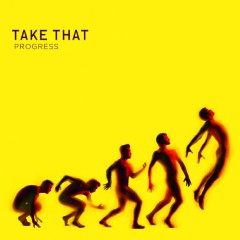
Cover NOT yet available in

Join up for 4K upload/download access
Your Rating (Click a star below)

Track List
01) The Flood
02) SOS
03) Wait
04) Kidz
05) Pretty Things
06) Happy Now
07) Underground Machine
08) What Do You Want From Me?
09) Affirmation
10) Eight Letters
01) The Flood
02) SOS
03) Wait
04) Kidz
05) Pretty Things
06) Happy Now
07) Underground Machine
08) What Do You Want From Me?
09) Affirmation
10) Eight Letters

4:49
3:44
4:15
4:42
4:03
4:02
4:15
4:37
3:54
8:47
Data Complete 80%
Total Rating
Total Rating
 (3 users)
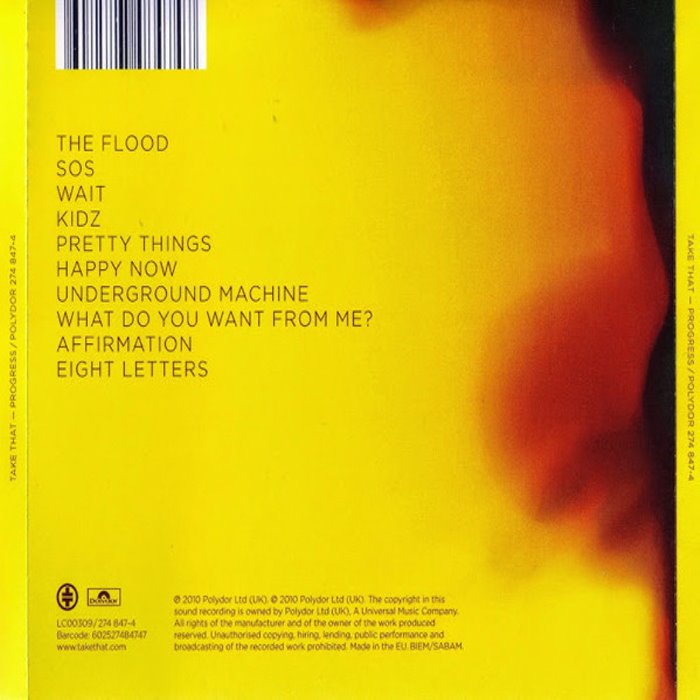
Back Cover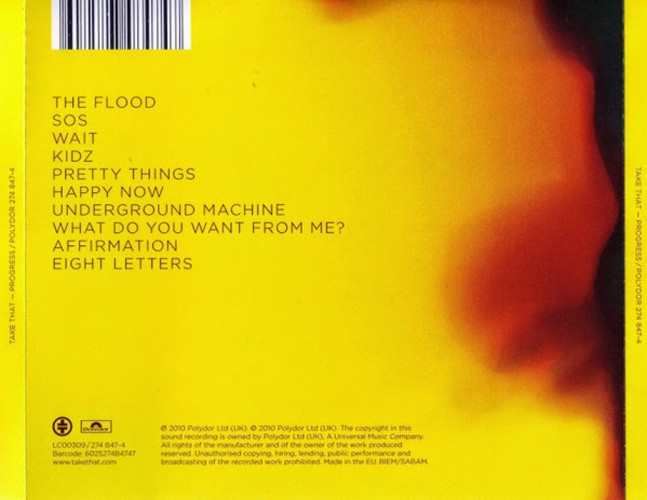
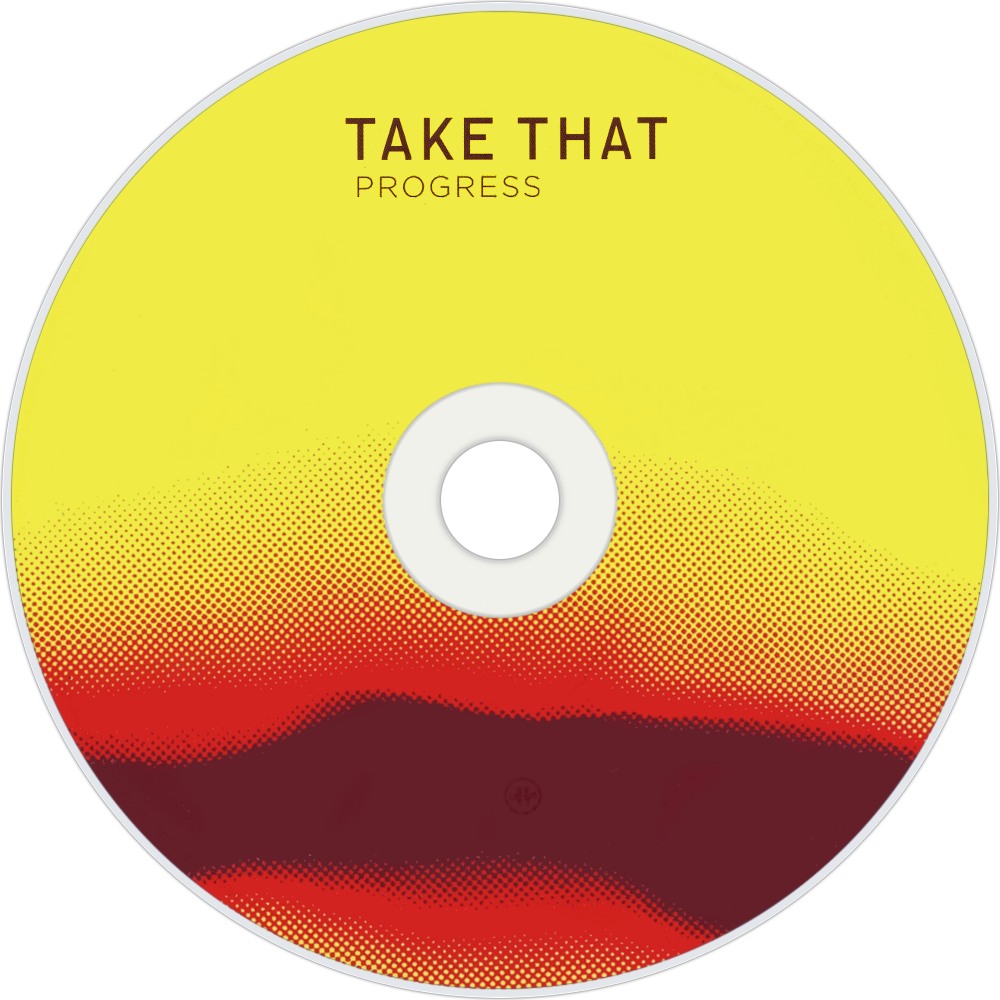
CD Art
3D Case
3D Thumb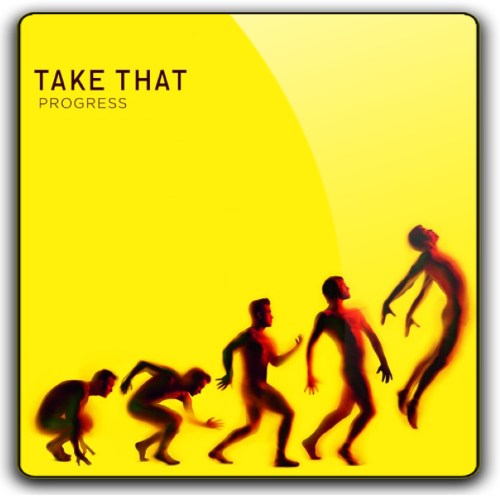
3D Flat
3D Face
3D Spine
First Released
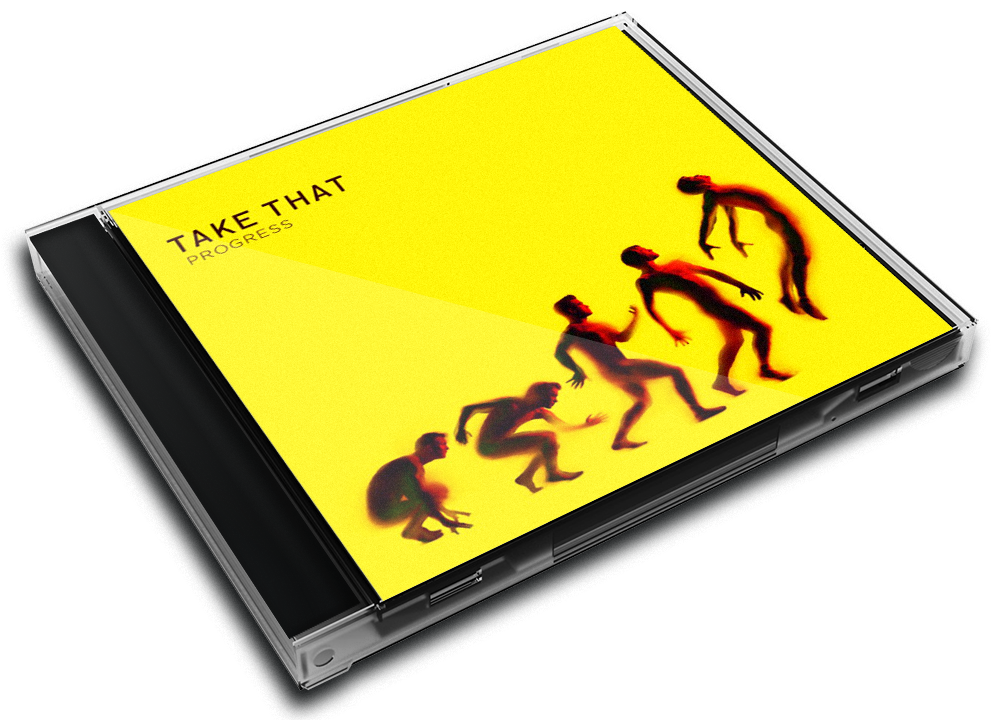
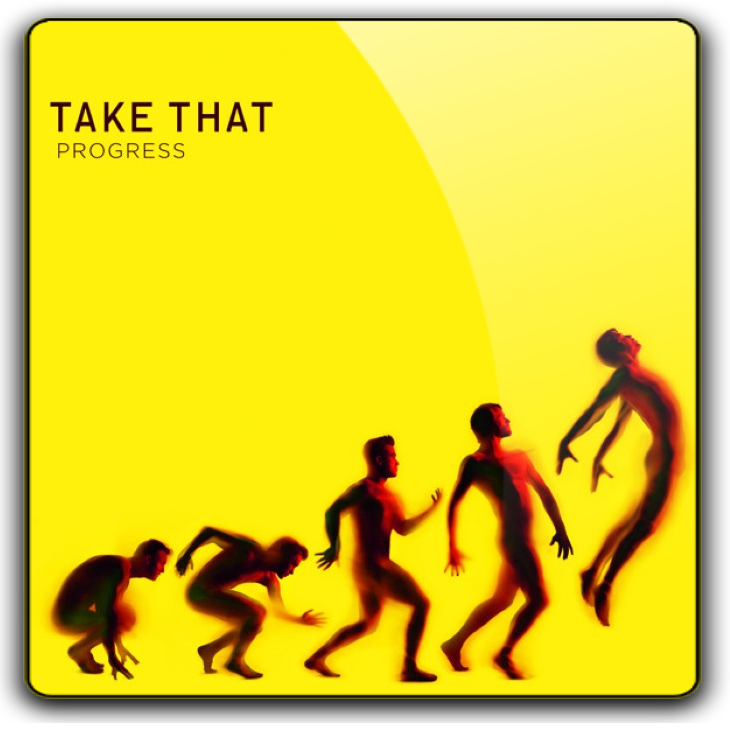
 2010
2010
 Pop
Pop
 Good Natured
 Rock/Pop
Record Industry
 Medium
 Album
Album
49/100
 00602527564210
 3,000,000 copies
Album Description
Available in:

Progress est le sixième album studio du groupe britannique Take That. C'est le premier album du groupe à lequel Robbie Williams participe depuis 1995. L'album est sorti au Royaume-Uni le 15 novembre 2010. Il a reçu des critiques positives, la plupart des critiques saluant l'influence de la musique électronique et des synthétiseurs. Il a fait son entrée à la première place du classement des albums au Royaume-Uni, devenant l'album le plus vendu du siècle et le deuxième album le plus vendu de tous les temps. Progress est également devenu l'album le plus vendu de 2010 avec plus d'un million d'exemplaires vendus en 24 jours. En juin 2011, l'album s'était vendu à 2,8 millions d'exemplaires au Royaume-Uni. L'album a également connu un succès commercial en Europe continentale, où il s'est classé dans le top 10 de douze pays. Progress a été certifié deux fois disque de platine par la Fédération internationale de l'industrie phonographique pour deux millions d'exemplaires vendus en Europe. Le 10 juin 2011, l'album est sorti en même temps que l'EP Progressed, qui comprend huit titres inédits.

User Album Review
Enough has been written elsewhere about Take That's history (a humdrum tale of boys meet boys, exploitation and idolization, dreams fulfilled and crushed, ruined friendships, success as vengeance, glorious pop, and the furies of fame), so let's skip straight to the new chapter. If the title of Progress suggests the band's new sound will be a merging and evolving of Take That Mk.II and recent Robbie Williams fare, the reality is startlingly different. Progress is something entirely new – Take That Mk.III – and the strangest, most ambitious, and most exciting record its creators have ever been involved in.
Taking in bombastic stadium rock, sleazy funk, up-tempo RnB, operatic techno, Bowie-esque whimsy, and demented disco, Progress is most definitely not the sound of two wildly popular acts playing it safe and raking the millions in. Even the relatively conventional comeback single, The Flood, is unexpected: with its huge, widescreen production, booming drum rolls, and faux-profound lyrics, it instantly makes the next U2 album redundant.
The Flood's enjoyable hokum is immediately bettered by SOS, a savage-of-bass, furiously paced disco romp with Mark Owen on gleeful lead vocals and Williams providing adrenaline-flecked back-ups. The latter sounds like he’s having a ball throughout, particularly on another Owen/Williams duet, Kidz, which exhilaratingly combines martial beats, glam guitars, Atari techno, and the kind of absurd dystopian pomp ("Daggers of science evolving into violence / We're not sure where the fallout blows") usually found on Muse albums. On the space-funk of Underground Machine – the closest thing to a Williams’ solo track – he sounds more ruttingly, struttingly confident than he has in years.
Elsewhere, Progress is slightly more conventional. Pretty Things sees Williams' falsetto and Gary Barlow's hushed croon sonically merged into something uncannily like David Bowie, while its chiming keyboards, gorgeous harmonies, and fluttering melodies make it an obvious single. Only one song falls flat on its face: even super-producer Stuart Price can't salvage much from Owen’s wobbly vocals and watery sentimentality on What Do You Want From Me.
What will happen next is predictable, for once: monster hit singles, eye-watering sales, and a tour that will keep St John's Ambulances busier than they’ve been in years. After that? With this collection of erratic egos, who knows; but the ebullient, daring Progress sounds more like a fresh start than a final destination.
External Album Reviews
None...
User Comments

Available in:
Progress est le sixième album studio du groupe britannique Take That. C'est le premier album du groupe à lequel Robbie Williams participe depuis 1995. L'album est sorti au Royaume-Uni le 15 novembre 2010. Il a reçu des critiques positives, la plupart des critiques saluant l'influence de la musique électronique et des synthétiseurs. Il a fait son entrée à la première place du classement des albums au Royaume-Uni, devenant l'album le plus vendu du siècle et le deuxième album le plus vendu de tous les temps. Progress est également devenu l'album le plus vendu de 2010 avec plus d'un million d'exemplaires vendus en 24 jours. En juin 2011, l'album s'était vendu à 2,8 millions d'exemplaires au Royaume-Uni. L'album a également connu un succès commercial en Europe continentale, où il s'est classé dans le top 10 de douze pays. Progress a été certifié deux fois disque de platine par la Fédération internationale de l'industrie phonographique pour deux millions d'exemplaires vendus en Europe. Le 10 juin 2011, l'album est sorti en même temps que l'EP Progressed, qui comprend huit titres inédits.
User Album Review
Enough has been written elsewhere about Take That's history (a humdrum tale of boys meet boys, exploitation and idolization, dreams fulfilled and crushed, ruined friendships, success as vengeance, glorious pop, and the furies of fame), so let's skip straight to the new chapter. If the title of Progress suggests the band's new sound will be a merging and evolving of Take That Mk.II and recent Robbie Williams fare, the reality is startlingly different. Progress is something entirely new – Take That Mk.III – and the strangest, most ambitious, and most exciting record its creators have ever been involved in.
Taking in bombastic stadium rock, sleazy funk, up-tempo RnB, operatic techno, Bowie-esque whimsy, and demented disco, Progress is most definitely not the sound of two wildly popular acts playing it safe and raking the millions in. Even the relatively conventional comeback single, The Flood, is unexpected: with its huge, widescreen production, booming drum rolls, and faux-profound lyrics, it instantly makes the next U2 album redundant.
The Flood's enjoyable hokum is immediately bettered by SOS, a savage-of-bass, furiously paced disco romp with Mark Owen on gleeful lead vocals and Williams providing adrenaline-flecked back-ups. The latter sounds like he’s having a ball throughout, particularly on another Owen/Williams duet, Kidz, which exhilaratingly combines martial beats, glam guitars, Atari techno, and the kind of absurd dystopian pomp ("Daggers of science evolving into violence / We're not sure where the fallout blows") usually found on Muse albums. On the space-funk of Underground Machine – the closest thing to a Williams’ solo track – he sounds more ruttingly, struttingly confident than he has in years.
Elsewhere, Progress is slightly more conventional. Pretty Things sees Williams' falsetto and Gary Barlow's hushed croon sonically merged into something uncannily like David Bowie, while its chiming keyboards, gorgeous harmonies, and fluttering melodies make it an obvious single. Only one song falls flat on its face: even super-producer Stuart Price can't salvage much from Owen’s wobbly vocals and watery sentimentality on What Do You Want From Me.
What will happen next is predictable, for once: monster hit singles, eye-watering sales, and a tour that will keep St John's Ambulances busier than they’ve been in years. After that? With this collection of erratic egos, who knows; but the ebullient, daring Progress sounds more like a fresh start than a final destination.
External Album Reviews
None...
User Comments
No comments yet...
Status
 unlocked
External Links


