 (0 users)


 view

Members
1
Popularity
 22
Followers
5,252
Origin
 ---
Genre
 Acoustic
Style
---
Mood
---
Born
1
Popularity
22Followers
5,252
Origin
---Genre
AcousticStyle
---
Mood
---
Born
1959
Active 1959 to Present...
Cutout
 Most Loved Tracks
| Track | Last.FM Listens | Youtube views | Loves | |
|---|---|---|---|---|
 | Purple Haze | 13,745 | 4 users  | |
 | Sur Vesdre | 5,680 | 4 users | |
 | Two Bridges | 3,128 | 4 users | |
| With or Without You | 1,973 | 4 users |
 Music Video Links
Artist Biography
Available in:


Jacques Stotzem (born July 17, 1959, in Verviers, Belgium) is a Belgian acoustic guitarist and composer who is regarded as one of Europe's leading representatives of modern fingerstyle guitar music. His musical style combines influences from blues, folk, rock, classical guitar music, and contemporary instrumental music. He became particularly well known for his virtuosic fingerpicking technique, his carefully developed original compositions, and his ability to use the acoustic guitar as a complete solo instrument. Through his distinctive combination of rhythmic precision, harmonic diversity, and emotional expressiveness, he developed an individual style that earned him international recognition.
Stotzem belongs to a generation of European guitarists who developed traditional fingerpicking beyond its original function as an accompaniment technique. His music combines complex instrumental structures with pronounced melodic sensitivity. The guitar simultaneously performs the functions of bass, harmony, and melody. The independent movement of different musical voices enables him to create complete arrangements without requiring additional instruments. At the heart of his compositions is not merely technical virtuosity but, above all, musical expression.
Jacques Stotzem was born in the Belgian city of Verviers, located in the French-speaking region of Wallonia. He grew up in an environment where different musical traditions were present. During his teenage years, he developed a strong interest in rock music and particularly in the guitar. Among the artists who impressed him early on were guitarists from the international rock and blues scenes.
Stotzem experienced a decisive encounter with acoustic guitar music at the age of sixteen when he saw American guitarist Stefan Grossman on television. Grossman was one of the most important advocates and teachers of traditional American fingerpicking and blues techniques. His ability to play bass lines, chords, and melodies simultaneously on a single acoustic guitar fascinated the young Stotzem and had a lasting influence on his musical development.
The idea that a single guitar could produce the fullness of sound associated with several instruments became a central starting point for his musical work. Stotzem began studying fingerpicking intensively and exploring the playing styles of American blues and folk guitarists. He was interested not only in technical execution but also in the rhythmic development and musical expressiveness of these traditions.
In addition to Stefan Grossman, his early influences included guitarists such as John Renbourn, Bert Jansch, and Leo Kottke. These musicians had developed different approaches to combining traditional folk and blues techniques with new harmonic and compositional ideas. The melodic style of John Renbourn and the rhythmic energy of Leo Kottke, in particular, left a noticeable mark on Stotzem's musical development.
During his early musical years, Stotzem devoted considerable attention to traditional blues and ragtime pieces. These genres formed an important foundation for his fingerpicking technique. The independent use of the thumb for bass lines and the other fingers for melody and harmony enabled him to develop complex musical structures. At the same time, he began formulating his own musical ideas and combining traditional playing techniques with influences from rock and modern instrumental music.
In the early 1980s, Stotzem increasingly developed into a professional guitarist. He performed at concerts and festivals and began establishing his reputation within the European acoustic guitar scene. Even at that time, his music was characterized by a combination of technical precision and melodic expressiveness. His ability to develop different musical voices simultaneously became a distinctive feature of his performances.
His debut album, Last Thought Before Sleeping, was released in 1986. The recording documented his early original compositions and already demonstrated essential characteristics of his later style. The pieces combined traditional fingerpicking techniques with melodically oriented arrangements and a personal musical identity. The album marked the beginning of an extensive discography that would continue developing over several decades.
In the following years, Stotzem released further albums and steadily expanded his international concert activities. His performances took him throughout numerous European countries and later to North America and Asia. He presented his music both in solo concerts and at international guitar festivals. His performances were distinguished by a direct connection with audiences and an exceptional instrumental presence.
An important aspect of his musical development was his increasing concentration on original compositions. While his early work was more strongly influenced by traditional blues and folk pieces, he gradually developed an unmistakable musical language. His compositions combined rhythmically demanding passages with lyrical melodies and harmonically sophisticated structures.
For Stotzem, the acoustic guitar became an instrument through which he could express different musical moods and emotions. Quiet, reflective passages alternate with powerful rhythmic sections. The melodic line frequently remains the unifying element of his music. Even technically demanding compositions are characterized by a clear musical structure.
In 1990, the album Words from the Heart appeared, further documenting his development as a composer. The title reflects the emotional orientation of his music, in which personal impressions and musical moods play an important role. The compositions combine technical sophistication with pronounced melodic sensitivity.
With Straight On, released in 1993, Stotzem presented another album demonstrating his musical versatility. The recording showed his ability to combine different rhythmic and harmonic influences. Blues-oriented figures, folk-inspired melodies, and rock-influenced accents were transformed into original instrumental arrangements.
Throughout the 1990s, Stotzem continued refining his fingerstyle approach. He experimented with alternative guitar tunings and different picking techniques to expand the sonic possibilities of his instrument. His music nevertheless remained closely connected to traditional fingerpicking techniques, which he increasingly incorporated into modern compositional contexts.
A distinctive feature of his playing is the combination of rhythmic energy and melodic clarity. The thumb frequently performs the function of an independent bass instrument, while the other fingers develop complex melodies and chord structures. This creates arrangements that are harmonically complete and rhythmically varied.
Alongside his original compositions, Stotzem also explored interpretations of well-known rock and pop songs. He developed a particular ability to transform pieces originally written for bands or vocal performances into arrangements for solo acoustic guitar. His interpretations frequently preserve the characteristic melodies and harmonic structures of the originals while introducing a new instrumental perspective.
This combination of original composition and creative interpretation became an important part of his artistic identity. Stotzem regards the guitar not merely as an instrument for reproducing existing music but as a means of reshaping musical ideas. His arrangements demonstrate how complex rock and pop productions can be transferred to a single acoustic guitar.
In 1997, he released Different Ways, an album that particularly clearly documented his stylistic openness. The recording combined different musical influences and demonstrated his ability to integrate traditional guitar techniques with contemporary compositional forms.
With Connections, released in 1999, Stotzem continued his development as an internationally established fingerstyle guitarist. The music was characterized by melodic diversity, rhythmic precision, and sophisticated sound production. The title can also be understood as a reference to the connections between different musical traditions that shape his work.
During the following years, Stotzem intensified his international concert activities. He performed at renowned guitar festivals and became a sought-after soloist within the European and international acoustic guitar communities. His performances took him to countries including Germany, France, Italy, the United Kingdom, the United States, and Japan.
He developed a particularly loyal audience in Germany. The country's acoustic guitar scene offered numerous opportunities for concerts, workshops, and musical encounters. His relationship with German audiences became an important part of his international career.
In 2002, he released Surrounded by Friends, an album documenting a special aspect of his musical work. Although Stotzem is primarily known as a solo artist, this recording demonstrates his openness to musical collaboration and different instrumental sounds. Working with other musicians enabled him to place his compositions in new musical contexts.
With In Concert, released in 2003, Stotzem presented a live recording documenting his exceptional stage presence. The album demonstrates the immediacy of his music in concert. His rhythmic precision, dynamic expression, and integration of melody and harmony are particularly effective in live performance.
In 2005, Stotzem released Colours of Turner, continuing his compositional development. The title refers to the English painter William Turner, whose work is renowned for its extraordinary depiction of light, color, and atmosphere. The connection between music and visual art reflects Stotzem's interest in emotional and atmospheric forms of expression.
The compositions on Colours of Turner are distinguished by pronounced melodic development and sophisticated use of harmonic colors. Quiet passages, dynamic developments, and rhythmically complex sections combine to create musical images. The guitar becomes a means of communicating moods and impressions without spoken or sung words.
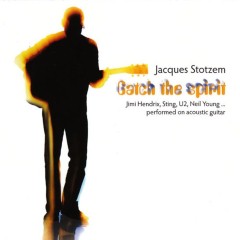
In 2006, Stotzem released Catch the Spirit, an album that particularly emphasizes the powerful rhythmic side of his music. The recording combines melodic instrumental compositions with influences from rock, blues, and folk. Once again, it demonstrates his ability to integrate different musical traditions into an individual fingerstyle approach.
Another important phase of his career began with his increasing exploration of well-known rock classics. Stotzem developed sophisticated fingerstyle arrangements of songs originally characterized by electric guitars, drums, and vocals. Rather than transferring only the melodies, he also attempted to reproduce the rhythmic energy and harmonic structure of the original recordings on a single acoustic guitar.
In 2011, he released Lonely Road, continuing his work as a composer and interpreter. The album combines different musical moods and demonstrates his ability to unite technical virtuosity with emotional expressiveness.
In 2015, Stotzem released To Rory, an album dedicated to Irish blues-rock guitarist Rory Gallagher. Gallagher was among the musicians who had influenced Stotzem's early enthusiasm for the guitar. With this recording, he explored Gallagher's musical legacy and transformed selected compositions into his own acoustic fingerstyle style.
The arrangements on To Rory demonstrate particularly clearly how Stotzem can transfer the energy of electric blues-rock music to the acoustic guitar. Characteristic guitar riffs, rhythmic figures, and melodic motifs are combined into original instrumental arrangements. He preserves the musical character of the original pieces without simply attempting to imitate their electric sound.
The album also documents his deep connection to rock and blues traditions. Although Stotzem became internationally known primarily as an acoustic fingerstyle guitarist, the influence of electric rock guitarists remained an important part of his musical identity.
In 2017, The Way to Go appeared, another album featuring original compositions. The recording demonstrates his continuous development as a composer and his ability to create different musical moods. Melodic clarity, rhythmic energy, and harmonic diversity remain the foundations of his music.
In 2019, Stotzem released Handmade, emphasizing his special relationship with the acoustic guitar. The title refers to the immediate connection between musician and instrument. His compositions emerge from direct interaction with the strings, resonances, and sonic possibilities of the guitar.
The music on Handmade combines lyrical melodies with rhythmically demanding passages. The sophisticated development of individual musical voices and the use of different tonal colors particularly demonstrate his extensive experience as a fingerstyle guitarist.
In 2021, Histoires sans mots appeared, its French title translating as “Stories Without Words.” The release illustrates Stotzem's understanding of instrumental music as an independent form of storytelling. His compositions develop musical narratives that require no lyrics yet still communicate emotional content.
The pieces on the album combine melodic sensitivity with pronounced atmospheric expression. Quiet, reflective passages alternate with dynamic developments. The acoustic guitar remains the central means through which Stotzem creates different moods and musical images.
In 2023, he released Rock & Fingerstyle, an album bringing together his two most important musical worlds. The recording contains fingerstyle arrangements of well-known rock songs and documents his ability to transfer the musical energy of rock to the solo acoustic guitar.
Characteristic guitar riffs, melodies, and harmonic structures are integrated into complex fingerstyle arrangements. The guitar simultaneously performs bass lines, chords, and melodic voices. This playing style requires pronounced finger independence and precise rhythmic understanding.
The combination of rock music and acoustic guitar technique is among the characteristic features of his later career. Stotzem demonstrates that the acoustic guitar is not suitable exclusively for gentle or folk-oriented music but can also convey the energy and dynamics of rock compositions.
Alongside his concert and recording activities, Stotzem has been involved in music education for many years. He conducts workshops, masterclasses, and instructional sessions in which he teaches his fingerpicking techniques and compositional approaches. He places particular emphasis on combining technical precision with musical expressiveness.
His educational work is aimed at both advanced guitarists and musicians wishing to develop their fingerstyle abilities. Topics such as independent bass movement, alternative tunings, rhythmic development, and the creation of original arrangements play an important role.
Another aspect of his musical activities is the publication of sheet music and guitar tablature. These materials allow other guitarists to study his compositions and understand his playing techniques. In this way, he contributes to the dissemination of modern fingerstyle techniques within the international guitar community.
Throughout his career, Stotzem has collaborated with different guitar manufacturers. He is particularly known for his longstanding relationship with the American company Martin Guitars. As one of the European artists associated with the manufacturer, he was also honored with his own signature guitar model.
His preferred instruments are characterized by balanced tone, clear response, and precise reproduction of individual musical voices. These qualities are particularly important for his playing style because bass lines, chords, and melodies must remain simultaneously audible.
Technically, his playing is based on pronounced finger independence. The thumb frequently provides the bass accompaniment, while the index, middle, and ring fingers develop melodic and harmonic figures. By combining different picking patterns, he creates complex rhythmic structures that nevertheless sound natural and fluid.
Dynamic expression plays a particularly important role. Stotzem uses different picking intensities and tonal colors to create musical contrasts. Quiet, lyrical passages can transition directly into powerful rhythmic sections. This dynamic diversity gives his compositions a pronounced emotional impact.
The use of alternative guitar tunings is another characteristic element of his musical expression. Open tunings enable new chord relationships, resonant sound textures, and unusual melodic developments. Stotzem uses these possibilities to expand the harmonic and sonic dimensions of his compositions.
Unlike some representatives of modern percussive fingerstyle, Stotzem frequently places melodic development at the center of his music. His technique primarily serves musical expression. Virtuosic passages, rhythmic accents, and unusual tonal colors are employed when they contribute to the development of a composition.
Another important aspect of his musical identity is the combination of European and American guitar traditions. The rhythmic foundations of American blues and ragtime meet melodic and harmonic influences from European folk and instrumental music. These are complemented by elements of rock and classical guitar technique.
This stylistic openness enables Stotzem to create very different musical moods. His compositions range from quiet, reflective ballads to rhythmically intense instrumental pieces. Throughout this diversity, his individual musical identity remains clearly recognizable.
Jacques Stotzem is among the European guitarists who have played a significant role in shaping the development of modern acoustic fingerstyle music. His work belongs to a tradition influenced by artists such as Stefan Grossman, John Renbourn, Bert Jansch, and Leo Kottke, yet he develops these influences into a distinctive musical language.
His international concert activities, extensive discography, and educational work have helped introduce modern fingerstyle guitar music to a broad audience. The combination of technical virtuosity and melodic expressiveness is particularly characteristic of his artistic work.
With albums such as Last Thought Before Sleeping, Words from the Heart, Straight On, Different Ways, Connections, Colours of Turner, Catch the Spirit, To Rory, The Way to Go, Handmade, Histoires sans mots, and Rock & Fingerstyle, Stotzem documents continuous musical development over several decades.
As a guitarist, composer, and music educator, Jacques Stotzem represents a form of guitar artistry in which technical precision, melodic sensitivity, and stylistic openness are closely connected. His compositions demonstrate how the acoustic guitar can simultaneously perform bass, harmony, melody, and rhythm, thereby becoming a complete solo instrument.
His particular significance lies in his ability to combine traditional fingerpicking techniques with modern musical influences and develop them into an unmistakable instrumental form of expression. Through his international concert career, numerous recordings, and lasting influence on the European acoustic guitar scene, Jacques Stotzem has established himself as one of the leading figures in contemporary fingerstyle guitar music.

Wide Thumb


Clearart


Fanart



Banner


User Comments
 No comments yet..
Status

Unlocked
Last Edit by Arturo007
26th Oct 2026
Socials
Streaming
External Links